
One missed deadline can create unexpected costs, urgent owner questions and extra work for your management team. Local Law 11 Inspection and Repair Queens organises building records, tracks upcoming requirements, coordinates qualified professionals and provides consistent updates across your portfolio.
- One deadline calendar across your portfolio
- Licensed professionals and vetted repair bids
- Clear status reports for owners
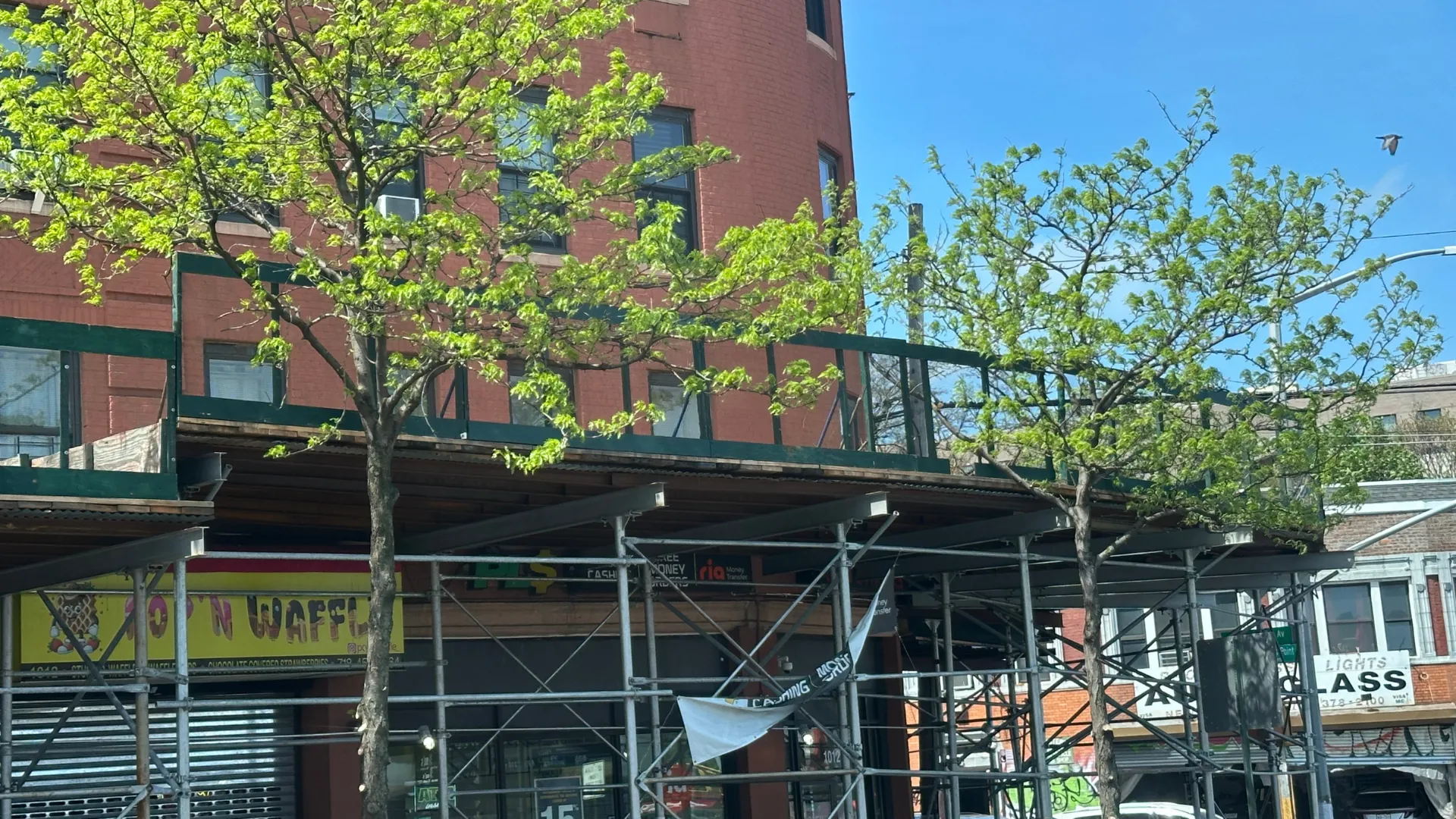
Why Facade Compliance Gets Harder With Every Building You Manage
Different Windows for Different Buildings
Properties within one portfolio may have different filing windows. A shared calendar records each deadline separately, with reminders and assigned responsibilities, rather than relying on one general schedule.
Different Owners and Approval Paths
Some properties answer to a board, while others have a single landlord or trust. We organise decision points, budget approvals and supporting documents around each ownership arrangement.
Inherited Records and Gaps
Management changes can leave missing reports, photographs, permits or contractor records. We gather the available history and flag missing information so your team knows what must be verified.
What a Multi-Building FISP Program Includes
Portfolio Facade Audit and Deadline Calendar
We review available records and organise the next actions for each address.
Cycle and Sub-Cycle Mapping
Record each property's applicable filing window and arrange deadlines in chronological order. Confirm details against official records before scheduling work.
Filing Status and Open Violations
Identify submitted reports, missing documents and outstanding items shown in available city records. Flag anything that needs further verification.
Risk Ranking
Prioritise buildings using documented conditions, deadlines, available reports and outstanding work. Technical safety decisions remain with the qualified professional.
Standardized Inspection Scopes and Reports
Consistent reporting makes it easier to compare findings and explain priorities to owners. Explore more about what happens during a Queens facade inspection here.
Coordinated Repair Bidding
We organise comparable scopes and invite proposals from vetted contractors. Your team can review pricing, exclusions, proposed materials and scheduling on a like-for-like basis.
Owner and Board Reporting
Each property receives a concise status summary. It includes its current position, open actions, next deadline, indicative budget and recommended next step.
Records Library
Keep reports, photographs, permits, proposals and filing confirmations organised in a consistent structure. A usable document history makes future handovers and planning easier.
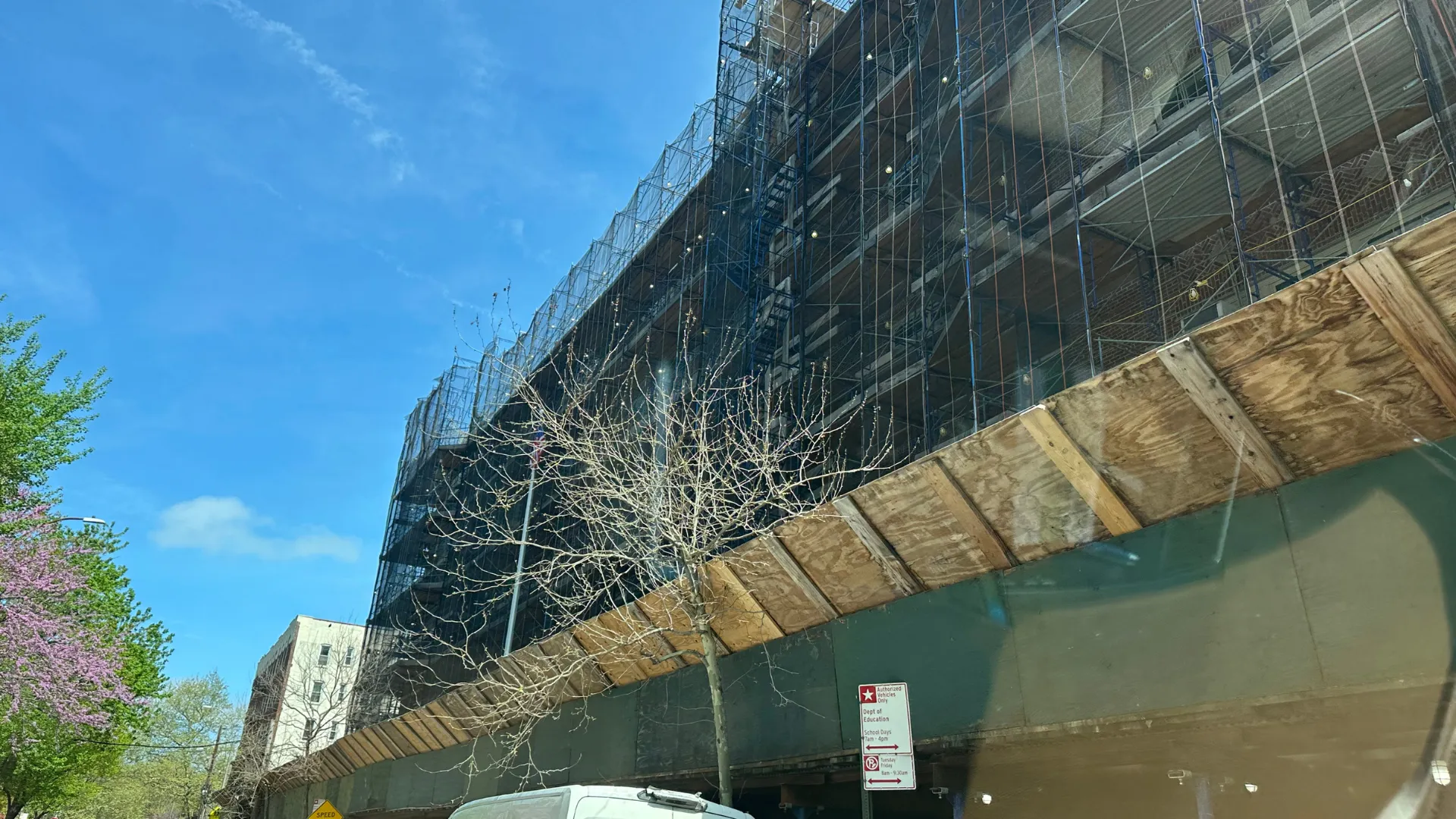
How the Program Works: From Audit to Annual Review
Step 1: Portfolio Intake
Send your building list, addresses and last known filing dates. Include previous reports or contractor documents if available. We will flag gaps that need further investigation.
Step 2: Calendar and Priority Ranking
We organise upcoming dates, outstanding tasks and dependencies into one working calendar. For background on previous filing cycles, read the Cycle 9 deadline guide.
Step 3: Scheduled Inspections
We coordinate appointments around deadlines, building access and geographic proximity. Grouping nearby appointments may improve scheduling, subject to professional availability and each property's needs.
Step 4: Findings and Budget Forecast
Each property receives a summary of findings, required follow-up and an indicative cost range once the available information supports an estimate.
- Per-Building Scopes: Document the recommended work, quantities where available, access requirements and exclusions. This gives contractors a consistent basis for pricing.
- Portfolio Budget Forecast: Combine individual estimates into a forward-looking view of expected expenditure. Separate confirmed costs from provisional allowances so owners can plan responsibly.
Step 5: Repairs and Close-Out
We coordinate bids, contractor scheduling and progress updates. The responsible professionals prepare the technical documentation and submissions required for their work.
Step 6: Annual Review
Refresh the calendar, record completed actions and update outstanding items. This creates a repeatable planning process instead of rebuilding the portfolio record every year.
Working With Boards and Owners: Making Your Job Easier
Board-Ready Summaries
Receive concise updates explaining the current condition, outstanding actions, timing considerations and decisions required.
Approval Packages
Bring together the scope, comparable bids, expected costs and recommendation in a format suitable for review and sign-off.
Resident and Tenant Communication
Use adaptable notices for access arrangements, scheduled work and temporary pedestrian protection. Building-specific details should be confirmed before distribution.
Managing Vendors and Risk
Vetted Contractors
We review relevant experience, licensing where applicable, insurance documentation and proposed scope before presenting contractor options. Owners retain the final selection and approval.
One Point of Contact
A central coordinator helps track appointments, proposals, questions and progress updates without requiring your team to chase every vendor separately.
Insurance and Documentation
Organise certificates, permits, work records and close-out documents by property. Flag missing or expired paperwork before it delays an appointment or approval.
Costs and Pricing Structure
What Drives the Cost
- Number, height and location of buildings
- Inspection method and access requirements
- Existing conditions and the scope of corrective work
- Reporting, coordination and recordkeeping needs
Scheduling Efficiencies
Coordinating nearby properties or similar work may reduce repeated mobilisation and administrative effort. Actual savings depend on site conditions, contractor availability and the work required.
Our Fees and Referral Arrangements
We explain the proposed scope and fee structure before work begins. For details, call us now and our team will share an estimate for free.
Property Manager Programs Across Queens Neighborhoods
Astoria and Long Island City: Dense Managed Rentals and Condos
Nearby properties may suit coordinated appointments, provided access arrangements and individual deadlines allow it.
Flushing and Jamaica: Mixed-Use Portfolios
Plans should account for retail entrances, tenant access, deliveries and pedestrian activity when scheduling exterior work.
Forest Hills, Rego Park and Jackson Heights: Co-op Portfolios
Different approval timelines can complicate scheduling. Consistent summaries and early decision requests help management teams keep projects moving.
Far Rockaway and Howard Beach: Coastal Buildings
Weather exposure and visible deterioration may warrant closer attention during routine property reviews. Inspection frequency and repair priorities should be determined by qualified professionals and applicable requirements.

Why Property Managers Choose Us
- One Calendar: Keep dates and outstanding actions together across every address.
- Licensed inspections: Qualified professionals handle the technical assessments and reports required for each property.
- Comparable bids: Consistent scopes make contractor proposals easier to assess.
- Clear reporting: Provide owners, boards and landlords with concise updates they can use to make decisions.
Here's what Arthur L., Portfolio Director from Jackson Heights, has to say about Local Law 11 Inspection and Repair Queens:
"One single point of contact for dozens of building vendors."
We used to waste hours chasing different engineers, sidewalk shed companies, and masonry crews across our garden apartments in Jackson Heights. Switching to this unified coordinator gave us one central point of contact for our entire asset pipeline. They manage the contractor check records, track general liability insurance renewals, and organize our complete document library by tax lot. It has dramatically reduced our staff's administrative workload.
Frequently Asked Questions
Can you handle buildings with different owners and boards?
Yes. Each address receives its own scope, estimate and status report, while your team uses a consistent calendar and reporting format across the portfolio.
How do you track facade deadlines across buildings?
We record each property's applicable window, last known filing, available records and outstanding tasks in a shared schedule. Updates reflect confirmed progress and newly identified requirements.
Do you offer portfolio pricing?
Pricing is based on the individual properties and requested services. We also review whether coordinated scheduling or consistent scopes can improve efficiency. Any savings depend on the actual work.
What do you need to start a portfolio review?
Provide a building list, addresses, last known filing dates and available reports. If information is missing, we will identify the gaps and explain what needs to be checked.
Can you work with our existing contractors?
Yes. We can review proposed scopes and available vendor documentation, then help compare existing contractors with additional options where useful.
How do you report to owners and boards?
We prepare concise property-level summaries covering current status, open actions, upcoming dates, indicative costs and recommended next steps. The format is designed for easy inclusion in management updates or board materials.
Request a Free Portfolio Review for Your Queens Buildings
Send your building list and we will review the available records, map upcoming deadlines, flag priority items and outline practical next steps.
Request a Free Portfolio Review
Phone: (917) 694-6394
Address: 104-70 Queens Blvd, Forest Hills, NY 11375
Website: https://locallaw11queens.com/
Disclaimer: Technical inspections and reports are handled by appropriately licensed professionals. Repairs are performed by independent contractors.