
Serving on a residential board involves decisions that affect building safety, shared finances and residents' daily lives. Local Law 11 Inspection and Repair Queens helps property representatives organise project milestones, compare contractor proposals and prepare clear information for meetings and owners.
- Independent technical scope
- Meeting-ready summaries
- Phased project planning
What Local Law 11 Means for Co-op and Condo Boards
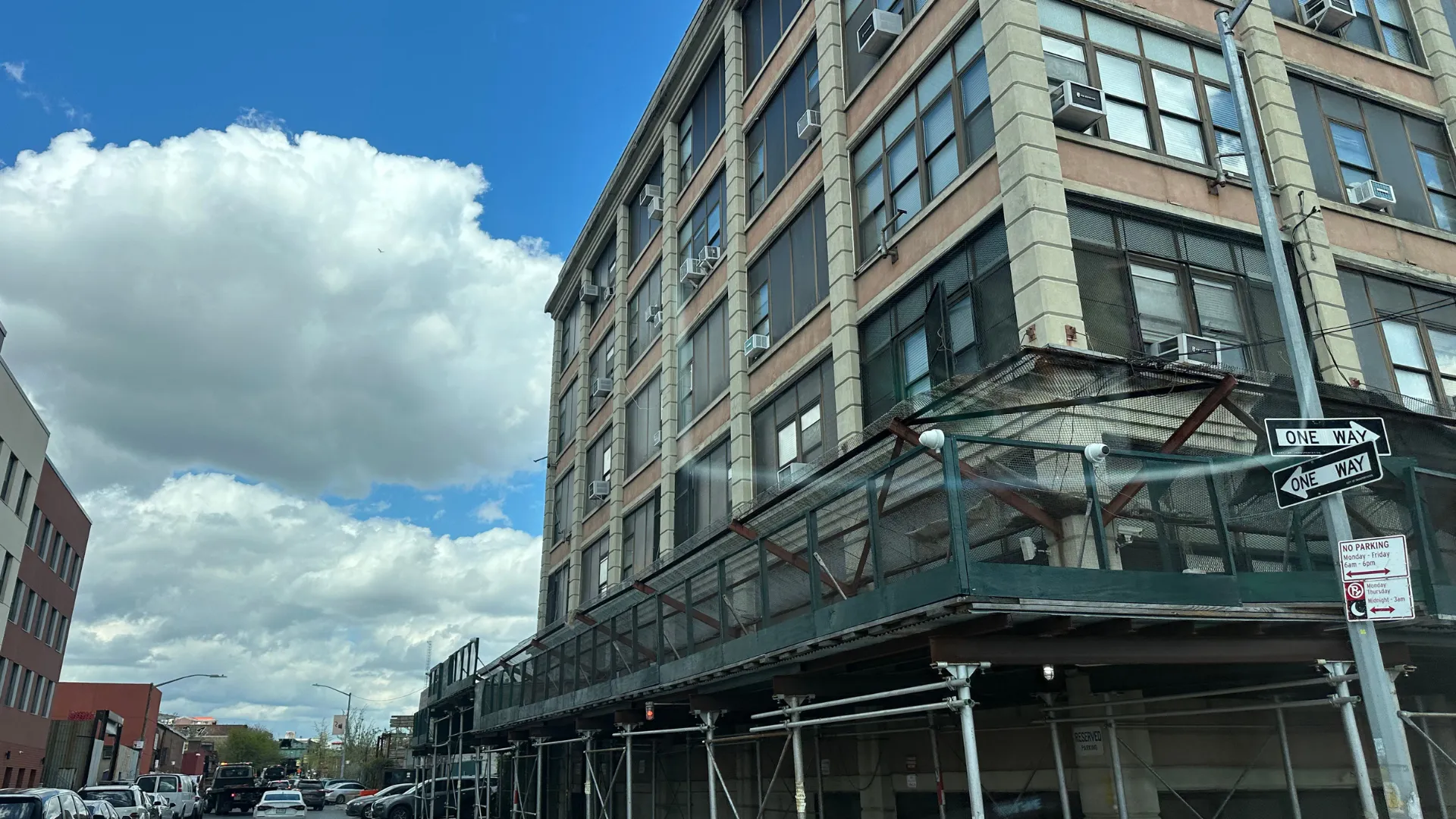
Co-op facade compliance queens planning starts with understanding the building's obligations under New York City's Facade Inspection and Safety Program. Generally, buildings taller than six stories fall within the program.
The building owner remains responsible for required filings and corrective work, with the governing organisation coordinating decisions and resources. Read the NYC Department of Buildings' FISP guidance for current requirements.
Your Responsibility as a Board
The governing organisation oversees approvals, funding decisions and project records. A managing agent may coordinate communications and contractors, while the board retains responsibilities assigned by applicable law and governing documents.
Co-op vs. Condo: Who Pays
Co-ops
The corporation owns the property. Depending on its governing documents and financial arrangements, project expenses may be funded through reserves, maintenance revenue, shareholder assessments or borrowing.
Condos
The association generally manages common elements, including the exterior walls. Expenses may be covered through reserves, common charges, special assessments or financing.
A Realistic Board Timeline for Facade Work
Stage 1: Confirm Your Cycle and Deadline
Check the building's filing history and applicable inspection window using official records. Confirm dates with the responsible professional rather than relying on an assumed schedule.
Stage 2: Hire an Independent Inspector
Select an appropriately licensed professional with a written scope, clear deliverables and an agreed fee. Learn how a Local Law 11 inspection works for Queens buildings.
Stage 3: Review the Findings
Request a clear explanation of the reported condition, supporting photographs, priorities and recommended next steps. Identify items requiring prompt attention.
Stage 4: Budget and Approve
Translate the documented work into projected expenses and possible funding arrangements. Check which approvals are required under the governing documents.
Stage 5: Bid and Repair
Invite contractors to price a consistent scope. Compare exclusions, materials, qualifications, access requirements, schedules and insurance before making a selection.
Stage 6: File and Close Out
Confirm which submissions and completion records are required. Retain relevant reports, approvals, photographs, invoices, and contractor documentation for future reference.
Begin planning well before the applicable deadline. Verify current cycle information and filing requirements directly with the DOB.
Budgeting for Facade Work: Reserves, Assessments and Financing
Start With the Scope
Separate urgent corrective work from items that may be scheduled later, subject to professional advice and applicable requirements. This plays a vital role in making the entire process error free.
Common Ways Boards Fund the Work
- Existing reserve funds.
- One-time or staged special assessments.
- Adjustments to maintenance payments or common charges.
- Building loans or lines of credit.
- Phased expenditure where technically and legally appropriate.
How to Present the Numbers to Residents
Explain the estimated total, possible payment arrangements, expected schedule and potential effect on individual households. Distinguish confirmed contractor pricing from preliminary estimates, and identify assumptions that could change the final amount.
Board Decisions and Governance: Bids, Votes and Contracts
Hiring the Inspector
Review professional credentials, independence, deliverables and fees. The technical scope should be established independently of contractors bidding to perform the work.
Reviewing Bids
Compare proposals against the same requirements. Check relevant experience, references, applicable licences, insurance, exclusions and proposed schedules.
Approving the Contract
Ask legal counsel to review contractual obligations, payment terms, warranties, change orders and dispute provisions before signing.
Board Resolution and Minutes
Record the decision, approved expenditure, voting outcome and any conditions. Follow the organisation's governing documents and applicable notice requirements.
Insurance and Indemnity
Have the building's adviser review required coverage, indemnification language and additional-insured provisions before work begins.
Payment Schedule and Retainage
Tie payments to agreed milestones and documented progress. Have counsel review any retainage provisions and conditions for final payment.
Communicating With Shareholders and Unit Owners
What to Tell Residents
Explain the reason for the project, expected expenditure, anticipated duration and likely effects on access or daily routines. Identify which details remain estimates.
Planning for Disruption
Exterior access equipment, noise, dust and temporary restrictions can affect residents. Provide advance notices where possible and communicate schedule changes promptly.
Questions and Updates
Use meeting briefings, written updates and a designated contact channel. Summarise decisions and outstanding questions so residents receive consistent information.
Common Mistakes Boards Make
- Waiting until a filing deadline is close before planning.
- Proceeding without a clear, independent scope of work.
- Presenting preliminary figures as confirmed prices.
- Delaying action on previously documented conditions.
- Losing reports, approvals and project records when board membership changes.
Co-op and Condo Facade Programs Across Queens Neighborhoods
Forest Hills and Rego Park: Large Co-op Complexes
Extensive elevations and many households can make phased scheduling and consistent resident updates especially useful.
Jackson Heights: Historic Co-ops
Some properties fall within designated historic districts. Confirm whether Landmarks Preservation Commission approval or other requirements apply before finalising exterior work.
Flushing and Bayside: High-Rise Condos
Building height and access arrangements may affect contractor scheduling, equipment selection and projected expenditure.
Long Island City and Astoria: Newer Condos
Review available building records, warranties and previous repair documentation before determining responsibility for reported defects.
Why Boards Choose Us
We help building representatives organise decisions and evaluate suitable service providers.
- Independent Scope: Technical findings inform the proposed work.
- Meeting-ready Material: Clear summaries support informed discussions.
- Phased Planning: Compare scheduling options and projected spending.
- Vetted Proposals: Evaluate contractor qualifications, pricing and availability.
Here's what Janice M., Board Treasurer from Rego Park, has to say about Local Law 11 Queens:
"Audited our developer warranties before we authorized work."
For our newer condo development in LIC, our board wasn't sure if reported facade panel defects fell under our original building warranties or if we needed to pass a common charge adjustment. This company's independent approach was exactly what we needed. They reviewed our structural records and gave us an objective technical scope to take to our legal team before any contracts were signed. Absolute integrity.
Frequently Asked Questions
Who is responsible for Local Law 11, the board or individual owners?
The building owner is responsible for applicable obligations. For a co-op or condominium, the corporation or association generally acts through its authorised representatives. Individual financial responsibilities depend on the ownership structure and governing documents.
How should a board pay for Local Law 11 repairs?
Options may include reserves, special assessments, adjustments to recurring charges, borrowing or phased spending. The appropriate arrangement depends on available funds, project requirements and the organisation's rules. Seek advice from qualified financial and legal professionals.
Does the board need owner approval for a facade assessment?
Requirements vary according to governing documents, the proposed amount and applicable law. Consult the organisation's attorney to determine the necessary vote, notice and approval process.
How early should the board start?
Start as soon as the applicable deadline and building requirements are understood. Early preparation allows more time to review findings, obtain bids, consider funding and coordinate residents.
Can the same firm inspect the building and do the repairs?
Keeping technical assessment independent of repair bidding helps preserve a clear distinction between identifying defects and pricing corrective work. Discuss independence, potential conflicts and applicable requirements with qualified advisers.
What if a previous board missed a cycle?
Review the building's filing history and obtain guidance from an appropriately licensed professional about the outstanding requirements. Confirm any potential penalties or corrective steps with the relevant authorities and legal counsel.
Book a Free Board Briefing for Your Queens Building
Give your board a clearer starting point for planning exterior building work. Share your property details and known deadline to discuss next steps, project coordination and contractor comparison.
Book a Free Board Briefing
Phone: (917) 694-6394
Address: 104-70 Queens Blvd, Forest Hills, NY 11375
Website: https://locallaw11queens.com/
Disclaimer: This page provides general information, not legal, tax or financial advice. Technical inspections are handled by appropriately licensed professionals. Repairs are performed by independent contractors.