Your building's inspection report identifies the problems, but choosing a contractor, comparing bids, and confirming that every item is addressed can be difficult. We connect property owners with vetted contractors who price a licensed inspector's written scope, document completed work, and provide records for the next filing. You remain in control of the contractor you select.
- Work based on a NYS-licensed inspector's written scope
- Competing bids from vetted contractors
- Photographic records for your files
What Facade Restoration in Queens Includes
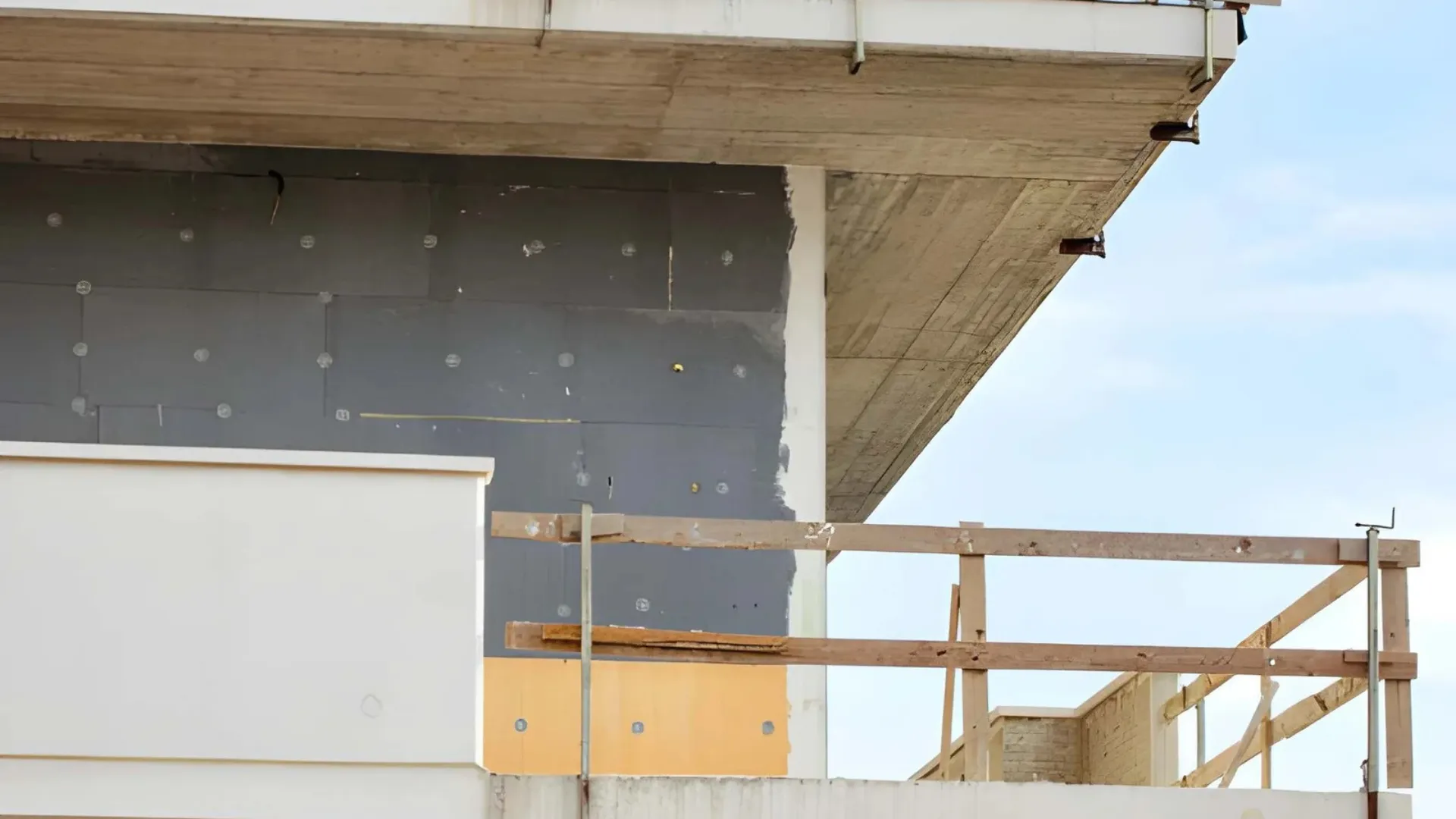
Planned exterior work addresses defects documented during a Local Law 11 inspection. Depending on the building, this may involve deteriorated masonry, damaged lintels, loose decorative elements, corroded steel, or failed sealants. For programme requirements, consult the NYC Department of Buildings' FISP resources.
Restoration vs. Spot Repair
Spot work addresses an isolated defect. The right approach depends on the documented conditions, access requirements, and repair priorities. Address urgent hazards first, then schedule eligible remaining work according to the inspector's instructions and available budget.
Common Scope Items
Masonry and Lintels
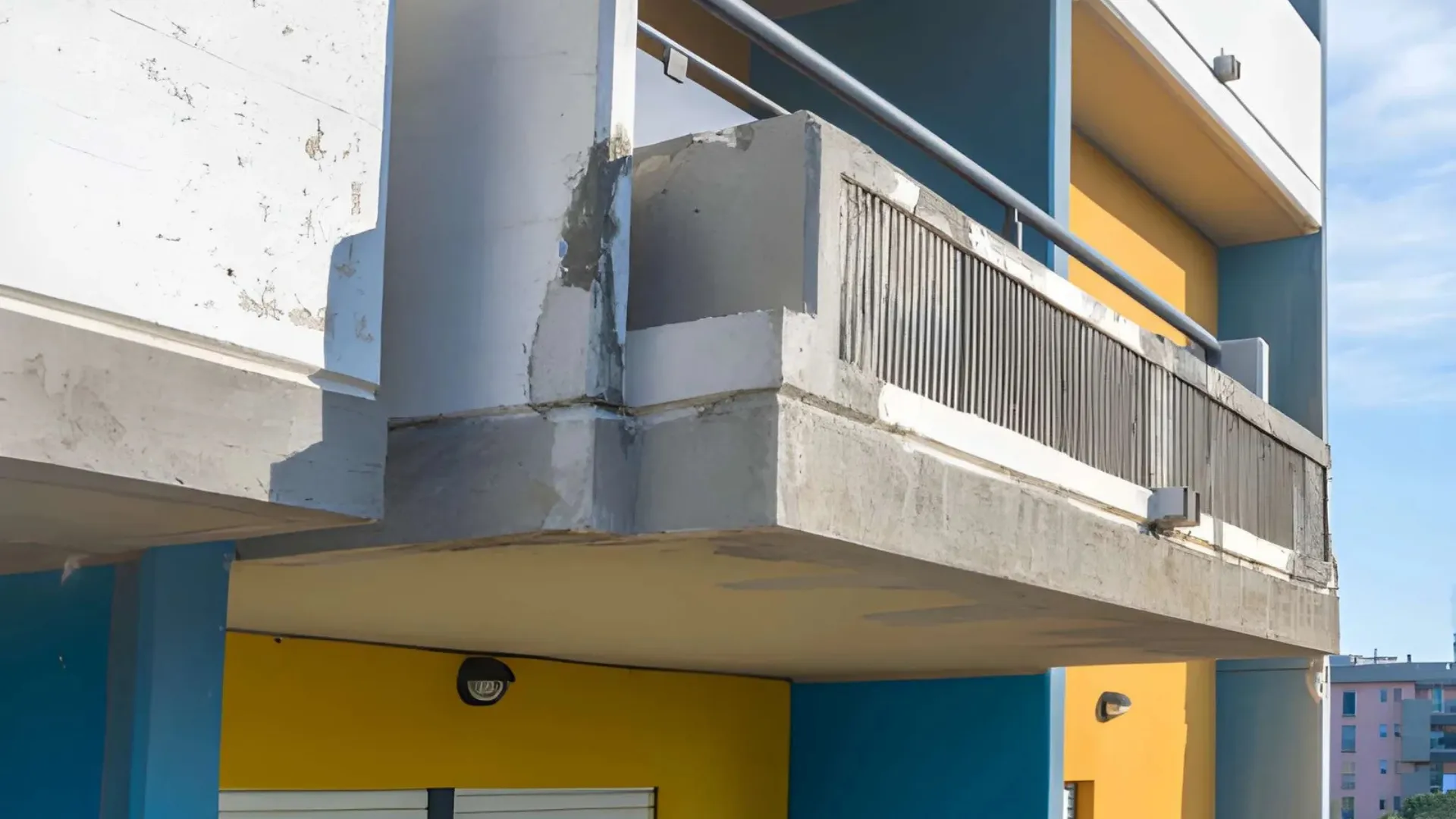
Damaged brick units, deteriorated joints, and defective steel supports may require replacement or corrective work. For specialised masonry services, see our brick pointing and masonry repair page.
Terra Cotta, Stone and Cast Stone
Cracked, loose, or damaged decorative units may require specialist assessment, secure anchoring, patching, or replacement.
Steel, Shelf Angles and Anchors
Corrosion can affect embedded supports and connections. The specified treatment depends on the extent of deterioration and the engineer's recommendations.
Sealants, Flashing and Water Control
Failed joints and defective flashing can allow water into the building envelope. Corrective work should follow the documented findings.
From Inspection Findings to Finished Repairs
Step 1: Start From the Inspector's Scope
We review the QEWI's findings and written specifications before requesting proposals. If the building has an UNSAFE classification, follow the step-by-step repair plan for UNSAFE conditions alongside this process.
Step 2: Compare Bids From Vetted Contractors
We aim to obtain two to three proposals where contractor availability permits. Each should explain the work, pricing, access arrangements, exclusions, and expected schedule.
Scope Match
Check whether each proposal covers the specified quantities, materials, and individual work items. Ask contractors to explain exclusions or proposed changes.
Access Method
Compare the proposed use of scaffolding, suspended platforms, rope access, or lifts. Suitability depends on building conditions and site constraints.
Warranty and Workmanship
Review written warranty terms, exclusions, material specifications, and responsibility for correcting defective work.
Schedule and Phasing
Confirm anticipated start dates, working hours, milestones, resident notifications, and measures to protect occupied areas.
Step 3: Permits, Access and Sheds
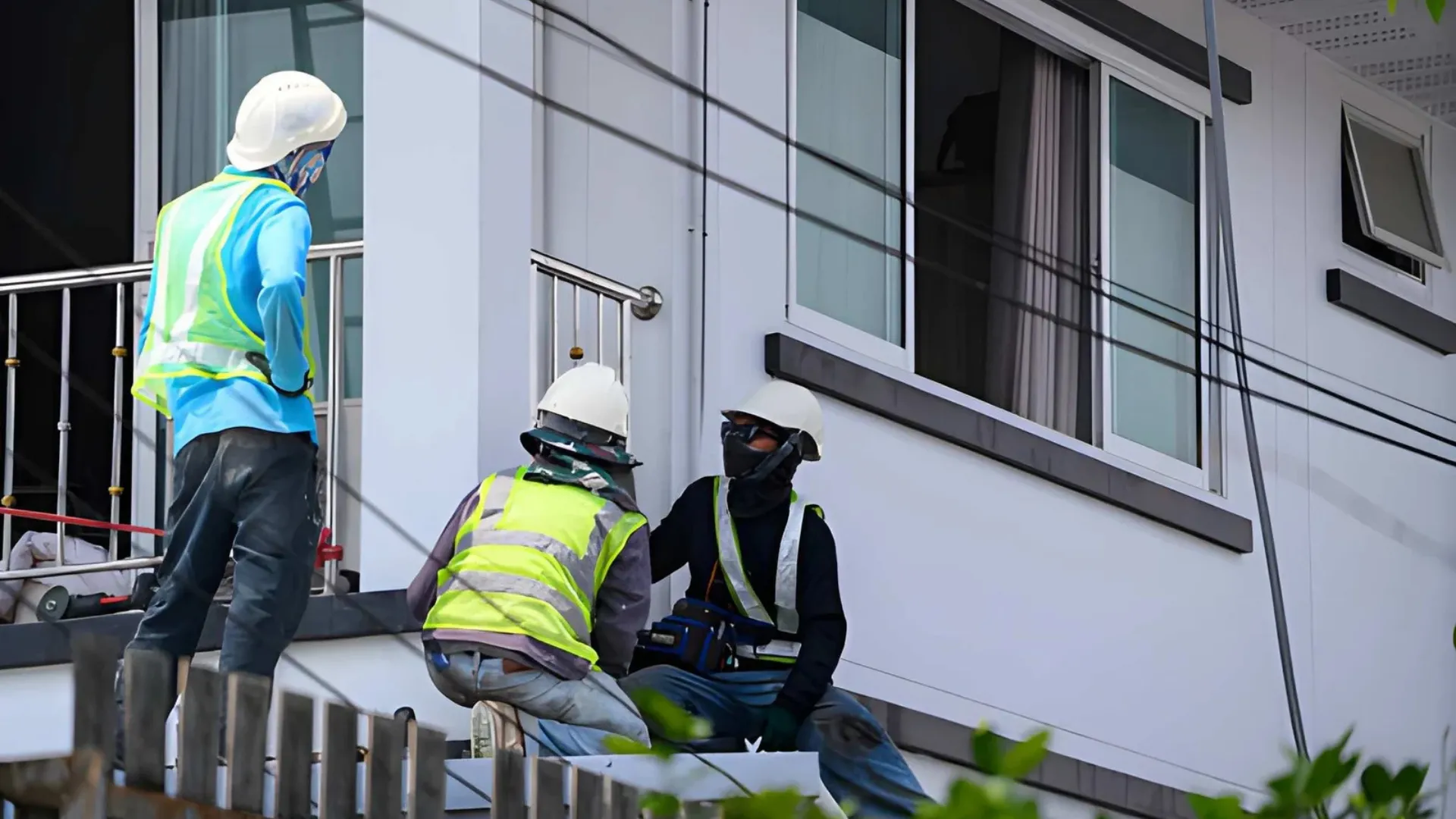
The selected contractor should identify applicable permits, access equipment, and public-protection arrangements before work begins. Where a sidewalk shed is required, agree on installation, maintenance, and removal conditions in advance.
Step 4: Repairs With Checkpoints
Photographs taken before, during, and after construction help establish what was completed. Then arrange any required inspections of concealed work before it is covered, following the responsible professional's instructions.
Step 5: Close-Out Documentation
Collect completion photographs, contractor records, relevant sign-offs, and outstanding-item lists. Confirm with the responsible QEWI which documentation is required for the applicable filing or follow-up assessment.
How We Vet Restoration Contractors
The Vetting Checklist
- Applicable NYC licences, registrations, and permits
- General liability, workers' compensation, and disability insurance documentation
- Safety procedures, trained supervision, and relevant training records
- References and photographs from comparable building projects
- Capacity to manage the proposed schedule, workforce, and project size
Requirements vary by trade and project. Verification should match the work being offered, and owners should confirm current documentation before signing a contract.
How Our Role Works
The QEWI assesses the building and establishes the required scope. Independent contractors price and perform the construction. We help connect the parties and organise bid comparisons.
Read more about how our contractor network works.
Facade Restoration Costs, Funding and Timelines
What Drives the Cost
- Total work area and number of elevations
- Extent of masonry, stone, or metal deterioration
- Building height and access equipment
- Permit requirements and public-protection arrangements
- Weather, labour, materials, and project phasing
Phasing to Spread the Cost
Owners and boards may schedule eligible work in stages to align expenditure with reserves, assessments, or approved financing. Hazardous conditions and deadlines set by the responsible professional must take priority over convenience.
Typical Timeline
Small work packages may take weeks, while larger multi-elevation projects can extend over several months. Weather, access, permits, material availability, and the extent of deterioration affect delivery. Request a written schedule with milestones.
Facade Restoration Across Queens Neighborhoods
Astoria, Sunnyside and Ridgewood: Phased Prewar Restorations
Older brick buildings may require coordinated work to masonry, window surrounds, and supporting steel. Dividing eligible work by elevation can help owners plan access and expenditure.
Long Island City and Flushing: Sealant and Panel Programs
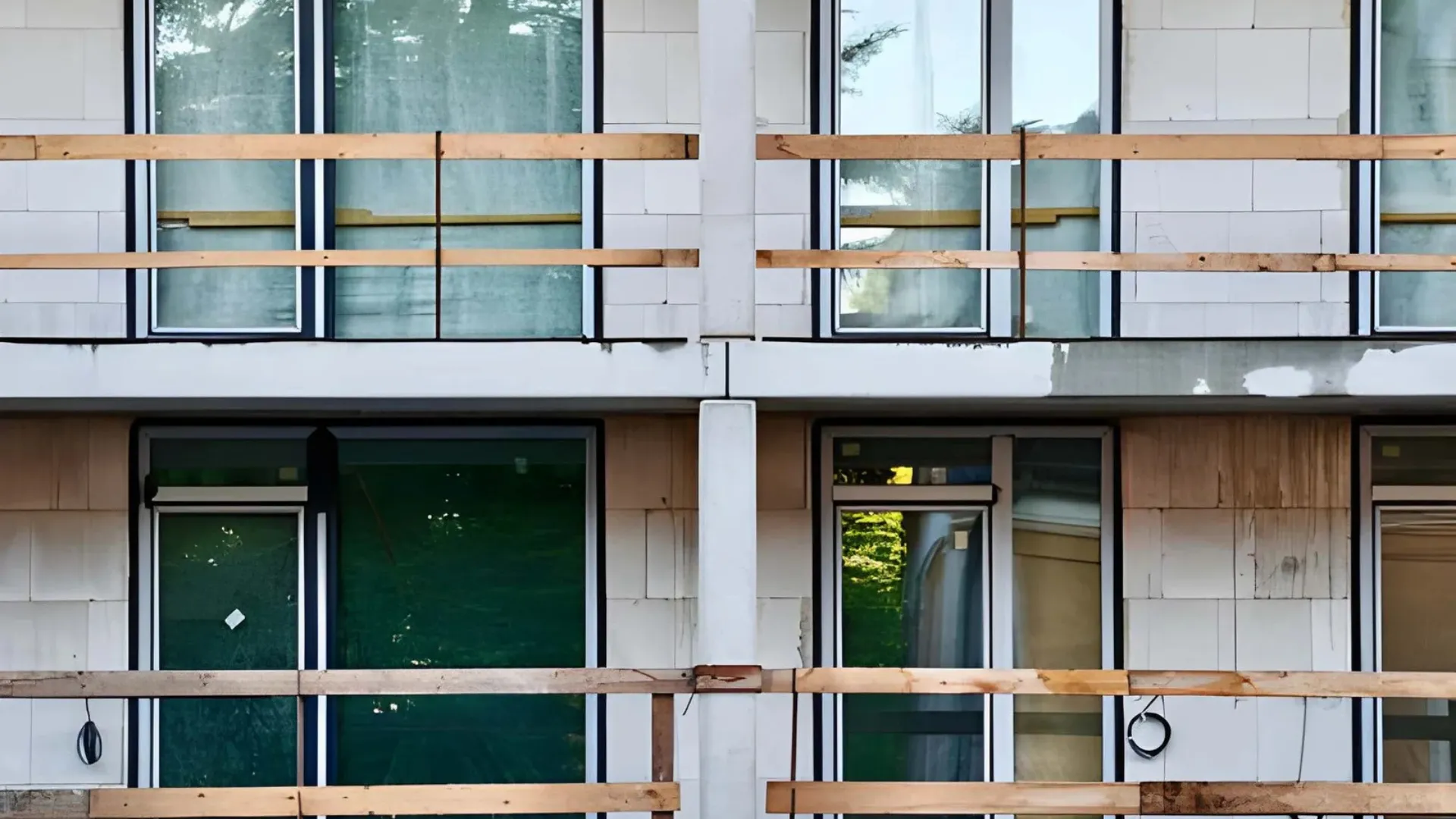
Some newer developments may require attention to exterior-panel attachments, perimeter sealants, and flashing. The actual scope depends on the building's construction and inspection findings.
Forest Hills, Rego Park and Jackson Heights: Large Co-op Programs
Extensive elevations, multiple building wings, and occupied common areas can make scheduling and resident communication important. Boards benefit from clear proposals and documented milestones.
Jamaica, Howard Beach and Far Rockaway: Corrosion-Driven Work
Moisture and coastal salt exposure can contribute to deterioration of metal components and joints. Material condition and exposure should guide the specified treatment.
Why Owners Choose Us for Facade Restoration
- Scope First: Contractors price documented inspection findings rather than independently selecting work to sell.
- Comparable Bids: Owners can review proposed costs, access methods, exclusions, and schedules.
- Documented Work: Photographs and completion records help maintain an organised project file.
- Planned Expenditure: Clear scopes and written milestones support board discussions and budget planning.
Frequently Asked Questions About Facade Restoration in Queens
What is the difference between facade restoration and routine building facade repair?
Routine work addresses individual defects. A broader programme coordinates multiple documented issues across an elevation or building. The appropriate option depends on inspection findings, condition, and long-term maintenance needs.
Do I have to repair everything the inspection found?
Timing depends on the classification, the reported conditions, and applicable requirements. UNSAFE conditions require prompt protective action, while SWARMP items must be managed within the applicable programme deadlines. Follow the responsible QEWI's instructions.
Can the firm that inspected my building also perform the work?
Our process separates the inspection scope from contractor selection. Independent contractors can then price the documented requirements, helping owners evaluate proposals on a more consistent basis.
How do I compare contractor bids fairly?
Check that proposals cover the same work and compare quantities, materials, access arrangements, exclusions, warranties, and schedules. A lower price may leave important items out, so resolve differences before signing.
How long does a project take?
Smaller packages may take weeks, while extensive projects can last months. Access, permits, weather, materials, and work sequencing all affect the schedule. Ask for written milestones.
Will I need a sidewalk shed during construction?
Some projects require temporary pedestrian protection, depending on the work location and applicable safety requirements. Confirm the proposed arrangements and removal conditions with the contractor and responsible professionals.
Get Matched With a Vetted Facade Repair Contractor in Queens
Send us your building address and inspection report, if available. We'll review the information and help connect you with suitable contractors whose proposals you can compare.
Disclaimer: Construction is performed by independent contractors in the network. Inspections are performed by appropriately qualified professionals. Confirm the applicable filing, safety, and repair requirements with the responsible professional.