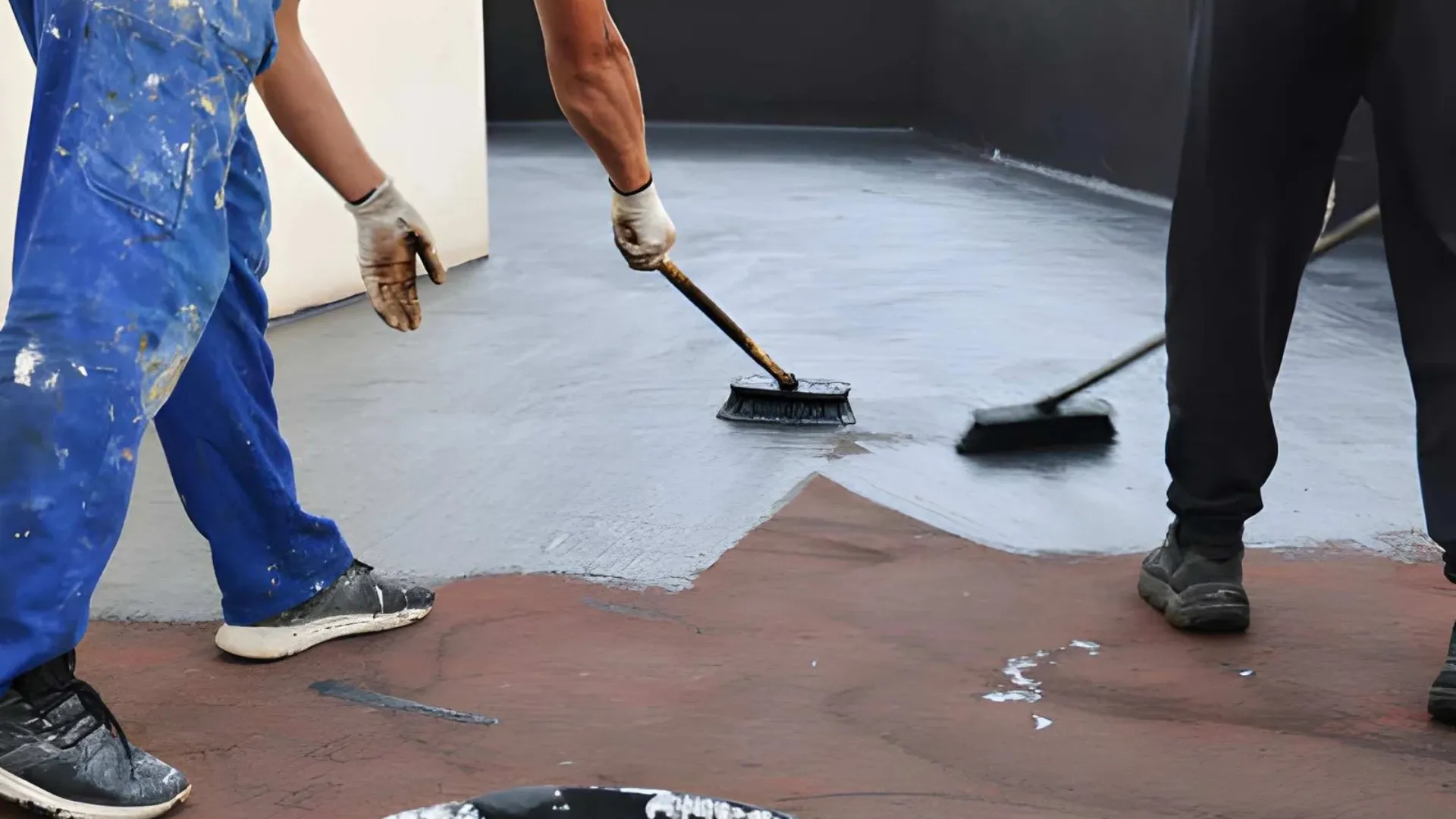
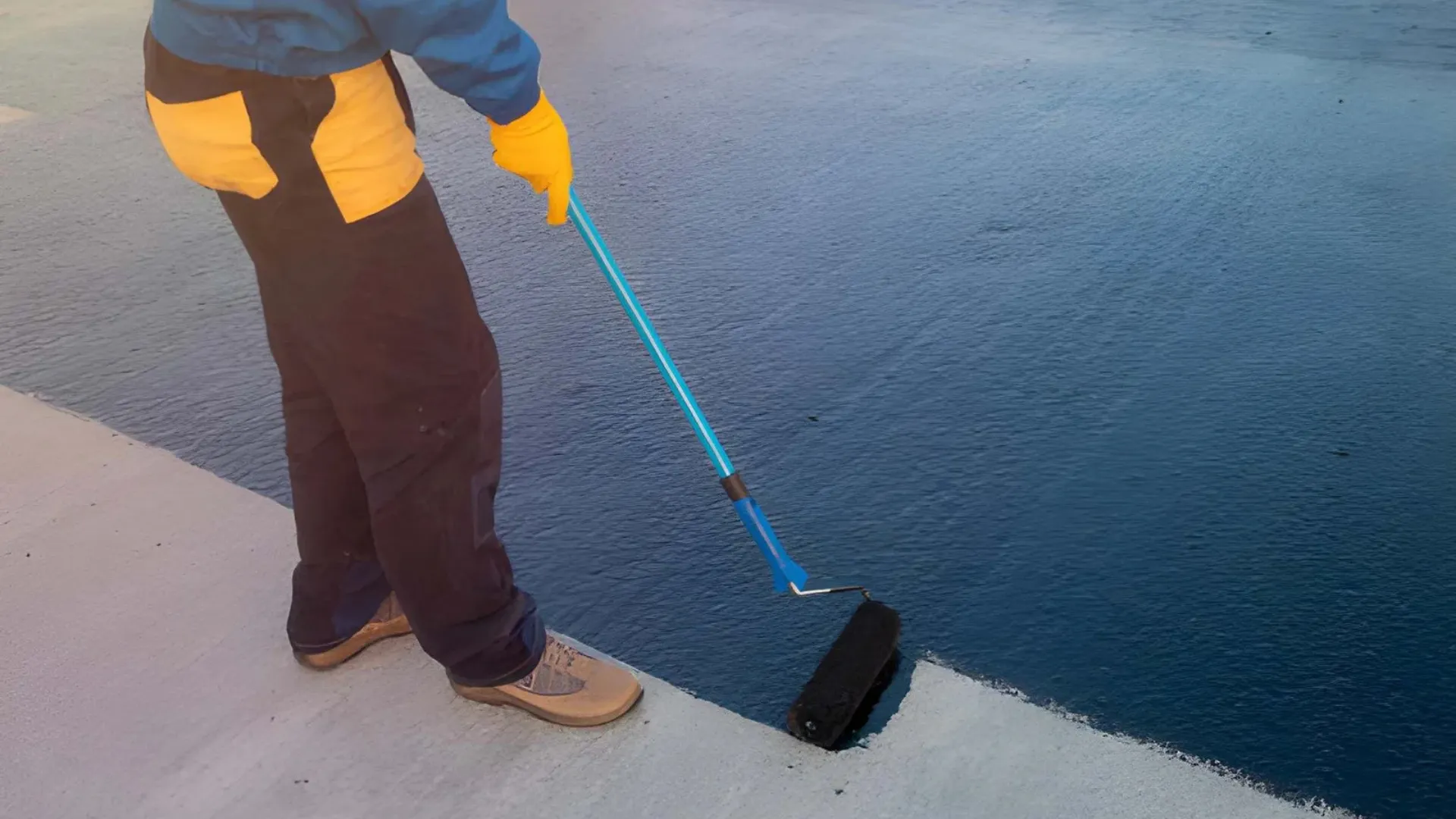
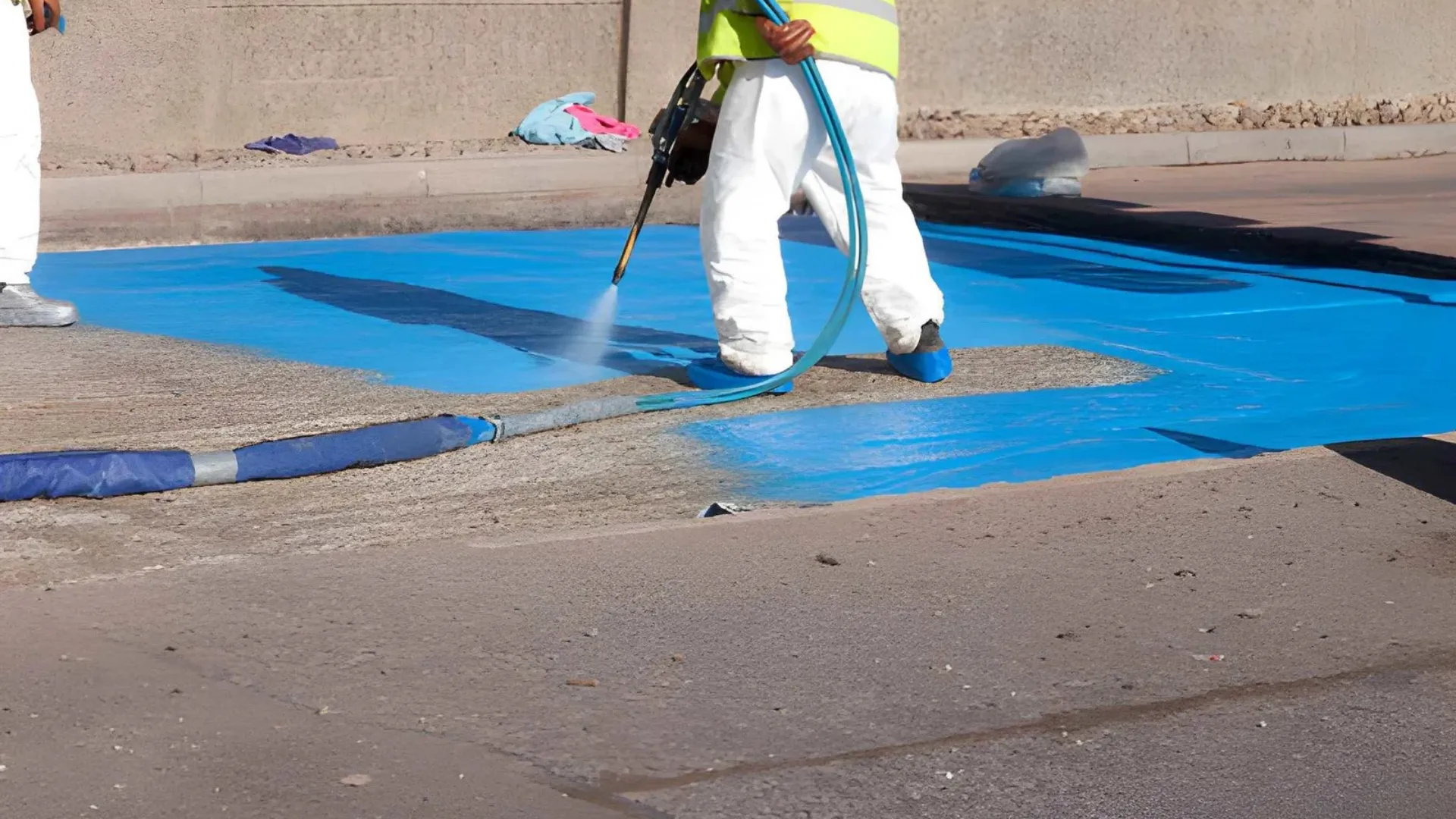
Water entering through exterior walls can damage masonry, corrode metal supports and leave persistent stains inside apartments. We help Queens property owners identify potential entry points and compare repair proposals from vetted contractors.
- Leak assessment before sealing
- Materials suited to existing masonry
- Documented repair work
How Water Gets Into a Queens Facade
Common Entry Points
Water intrusion often starts at transitions between building materials, rather than across the entire wall.
Window Perimeters and Sills
Gaps around window frames, damaged sealant and poorly functioning drainage details can allow rainwater behind the exterior surface. Sill cracks and deteriorated connections deserve close attention.
Expansion and Control Joints
Movement between building sections places repeated stress on flexible sealants. Once material separates from the sides of a joint, water can enter behind the visible surface.
Open Mortar Joints
Gaps in masonry joints provide pathways for rainwater. The appropriate response depends on the condition of the surrounding materials and the source of the deterioration.
Flashing, Lintels and Roof Edges
Failed flashing can direct water into concealed areas around openings and roof transitions. Moisture reaching steel supports may contribute to corrosion, staining and surrounding masonry damage.
What Water Does Inside the Wall
- Corrodes metal supports and embedded connections.
- Contributes to cracking and surface deterioration during freeze-thaw cycles.
- Leaves damp patches, peeling paint and damaged interior finishes.
- Worsens existing defects that may require professional assessment.
Signs You Have a Water Problem
Look for recurring stains beneath windows, white mineral deposits, peeling interior paint, damp patches after rainfall and sealant pulling away from surrounding surfaces. These symptoms indicate possible moisture intrusion, but they do not establish its source.
Building Caulking and Sealant Replacement
When Sealants Fail
Cracking, hardening, shrinkage and separation from adjoining surfaces indicate that sealant may no longer accommodate movement or resist water effectively. Exposure, joint design, installation quality and product selection all influence service life.
How Proper Replacement Is Done
A reliable installation depends on preparation as much as material selection.
Remove the Old Sealant Completely
Remove deteriorated material without damaging adjacent surfaces. Residue can interfere with adhesion and shorten the life of the replacement.
Clean and Prime the Joint
Prepare the joint according to the manufacturer's instructions. Primer should be used where the selected product and substrate require it.
Install Backer Rod and New Sealant
Where appropriate, install compatible backer rod to control sealant depth and prevent unwanted three-sided adhesion. Apply the specified product evenly.
Tool and Inspect
Shape the material to achieve proper contact with the joint edges. Check for gaps, voids, inconsistent application and visible adhesion problems.
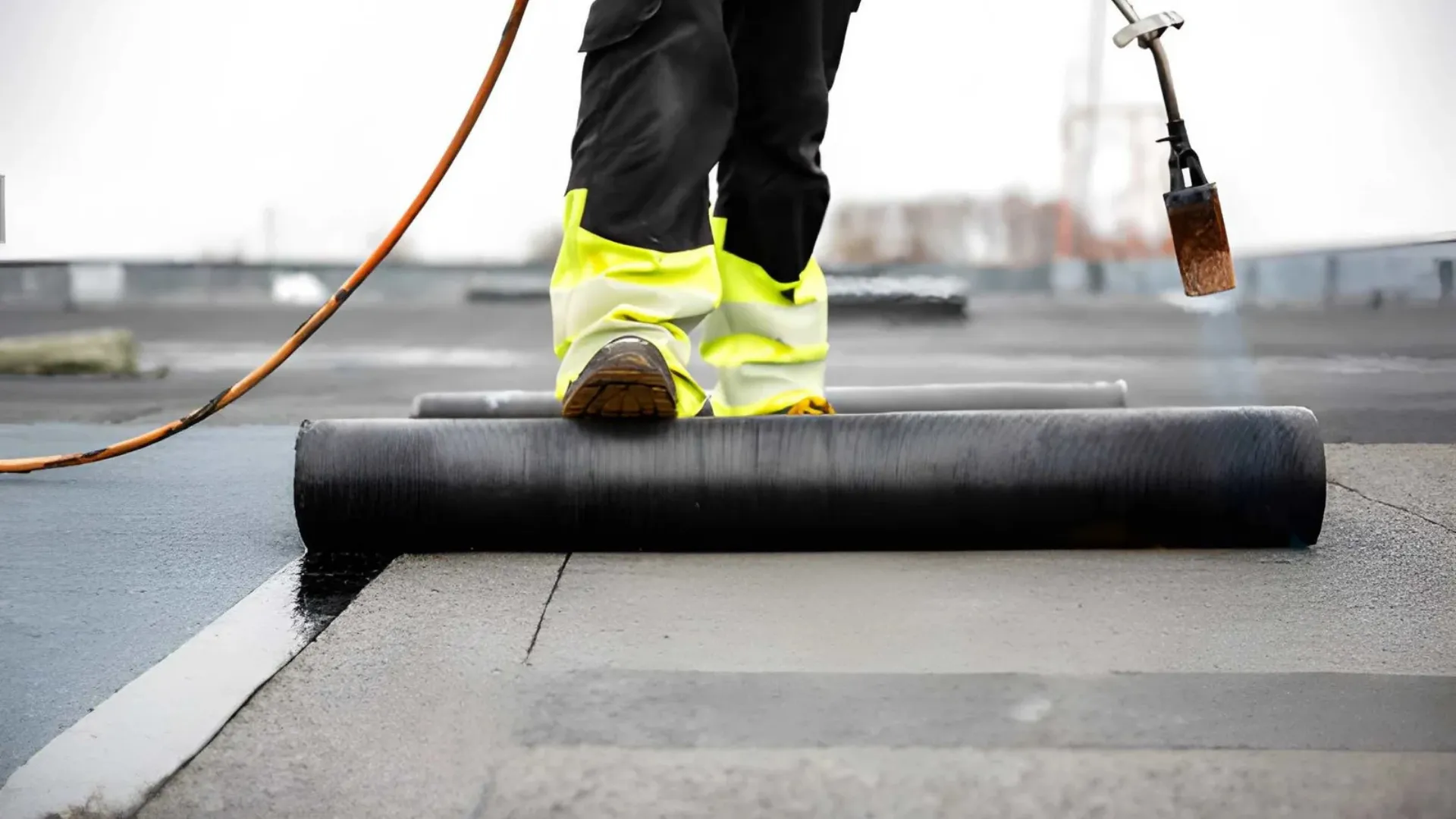
Choosing the Right Sealant
Polyurethane, silicone and hybrid formulations offer different adhesion, flexibility and weather-resistance characteristics. Selection should reflect the substrate, expected movement, exposure conditions and compatibility with adjacent materials.
Water Repellents, Flashing and Other Waterproofing Options
Breathable Water Repellents
Penetrating water repellents can reduce liquid-water absorption while allowing water vapour to escape. Their suitability depends on the masonry, existing treatments and exposure. Test the proposed product on an appropriate area and follow manufacturer guidance.
Flashing and Coping
Damaged or missing flashing can allow water behind exterior materials at windows, roof transitions and other vulnerable details. Correct installation should direct water outward. Wall caps and coping also need suitable slopes, secure connections and functioning drip edges.
What Not to Do
- ⚠️ Avoid applying coatings over damaged or unstable surfaces before the underlying defects are assessed.
- ⚠️ Do not use impermeable film-forming products on moisture-sensitive masonry without confirming compatibility.
- ⚠️ Do not cover open joints with sealant or coating. Consider repairing deteriorated mortar where needed before applying adjacent treatments.
Leak Diagnosis: Find the Source Before You Spend
Water Testing
Controlled spray testing can help isolate potential entry points when performed by a qualified professional using a suitable method. Testing should proceed systematically, with individual areas assessed rather than saturating multiple details at once.
Moisture Review
A visual examination can identify staining, damaged finishes, open gaps and other warning signs. Moisture meters and other diagnostic tools may help when appropriate, although readings must be interpreted in context.
Why Diagnosis Pays for Itself
Repairing the wrong area can lead to repeat visits, additional disruption and continuing damage. Identifying the likely source first helps owners compare proposals that address the documented problem instead of relying on guesswork.
Waterproofing Costs, Timing and Seasons
What Drives the Cost
- Total length of joints and number of window openings.
- Surface area requiring a compatible repellent treatment.
- Building height and access equipment.
- Selected materials, joint dimensions and preparation requirements.
- Additional repairs needed before sealing can begin.
Request itemised proposals that identify preparation, materials, access, exclusions and completion documentation. We do not publish price ranges without verified contractor estimates.
Best Time to Waterproof
Many sealants and penetrating treatments require suitable temperatures, dry substrates and specific curing conditions. Scheduling depends on the manufacturer's requirements and local weather, so not every product is suitable for every season. Use our seasonal facade maintenance checklist to plan routine reviews and maintenance.
Facade Waterproofing Across Queens Neighborhoods
Far Rockaway and Howard Beach: Coastal Exposure
Salt, humidity and wind-driven rain can accelerate deterioration. Check sealants, window joints and exposed metal for damage.
Long Island City and Flushing: Panel and Window Joints
Glazed facades and panel systems need attention to joint condition, drainage and material compatibility.
Astoria and Sunnyside: Prewar Brick and Windows
Ageing window seals and previous repairs can contribute to recurring leaks. Identify the source before choosing a repair method.
Forest Hills and Rego Park: Large Co-op Buildings
Plan prioritised repairs, coordinated access and phased schedules across long elevations and repeated window openings.
Why Owners Choose Us for Facade Waterproofing
- Clear Assessment: Identify likely causes using available reports and observations.
- Suitable Materials: Match products to the surface and manufacturer guidance.
- Defined Work Standards: Confirm preparation, application and quality checks.
- Vetted Contractors: Review relevant experience, licences and insurance.
- Complete Records: Keep quotes, photographs and project documents organised.
Here's what Dimitri K. from Astoria, has to say about Local Law 11 Inspection and Repair Queens:
"Protected our prewar brick and window lintels from structural rust."
I noticed damp patches and efflorescence forming under the windows of my prewar brick walk-up in Astoria. This team helped us understand that a failed window flashing detail was diverting water right onto our structural steel lintels. They restored the lintel flashing, repointed the adjacent masonry, and re-caulked the window perimeters flawlessly before the freeze-thaw cycle could destroy our brickwork.
Frequently Asked Questions
What is the difference between caulking and waterproofing?
Caulking closes specific gaps and movement joints. A broader moisture-control plan may also involve flashing, drainage details and suitable penetrating treatments. The correct combination depends on the source of water entry.
How long does sealant last before it needs replacement?
Service life varies with the product, installation, exposure and joint movement. Cracking, shrinkage and separation are common reasons to arrange an assessment. Regular visual checks can help identify deterioration before it progresses.
Is it okay to seal brick with a coating?
Not every coating suits every wall. Breathable water repellents may reduce absorption on compatible masonry, while unsuitable film-forming products can trap moisture. Confirm material compatibility before treatment.
Will waterproofing fix leaks on my interior walls?
It may help when the confirmed source is an exterior opening or wall detail. Roof defects, plumbing leaks and condensation can produce similar symptoms, so identify the cause before selecting repairs.
When is the best time to waterproof a building?
Schedule work when weather, surface conditions and temperatures meet the selected product's application and curing requirements. Planning ahead can provide more flexibility for access and contractor scheduling.
Can waterproofing help with Local Law 11 findings?
Where a professional report identifies relevant water-entry defects, corrective work may form part of the repair scope. The responsible qualified professional determines the necessary work and applicable filing requirements.
Get Matched With a Vetted Waterproofing Contractor in Queens
Recurring leaks deserve a clear repair plan. Share your building address, photographs and any available inspection report so we can help you explore contractors and compare their experience, proposed work, pricing and availability.
Disclaimer: Repairs are performed by independent contractors in our network. Inspections and technical determinations are handled by appropriately qualified professionals. Contractor availability and project suitability must be confirmed.