Written by Liam. Technically reviewed by our licensed engineering partner. Last reviewed: 18 October 2026.
Facade repairs are expensive, visible and difficult to reverse. Hiring mistakes can lead to unfinished work, extra charges and delayed building filings. These nine questions help owners and boards assess experience, compare proposals and make an informed decision.
Why Choosing a Facade Contractor Is Different
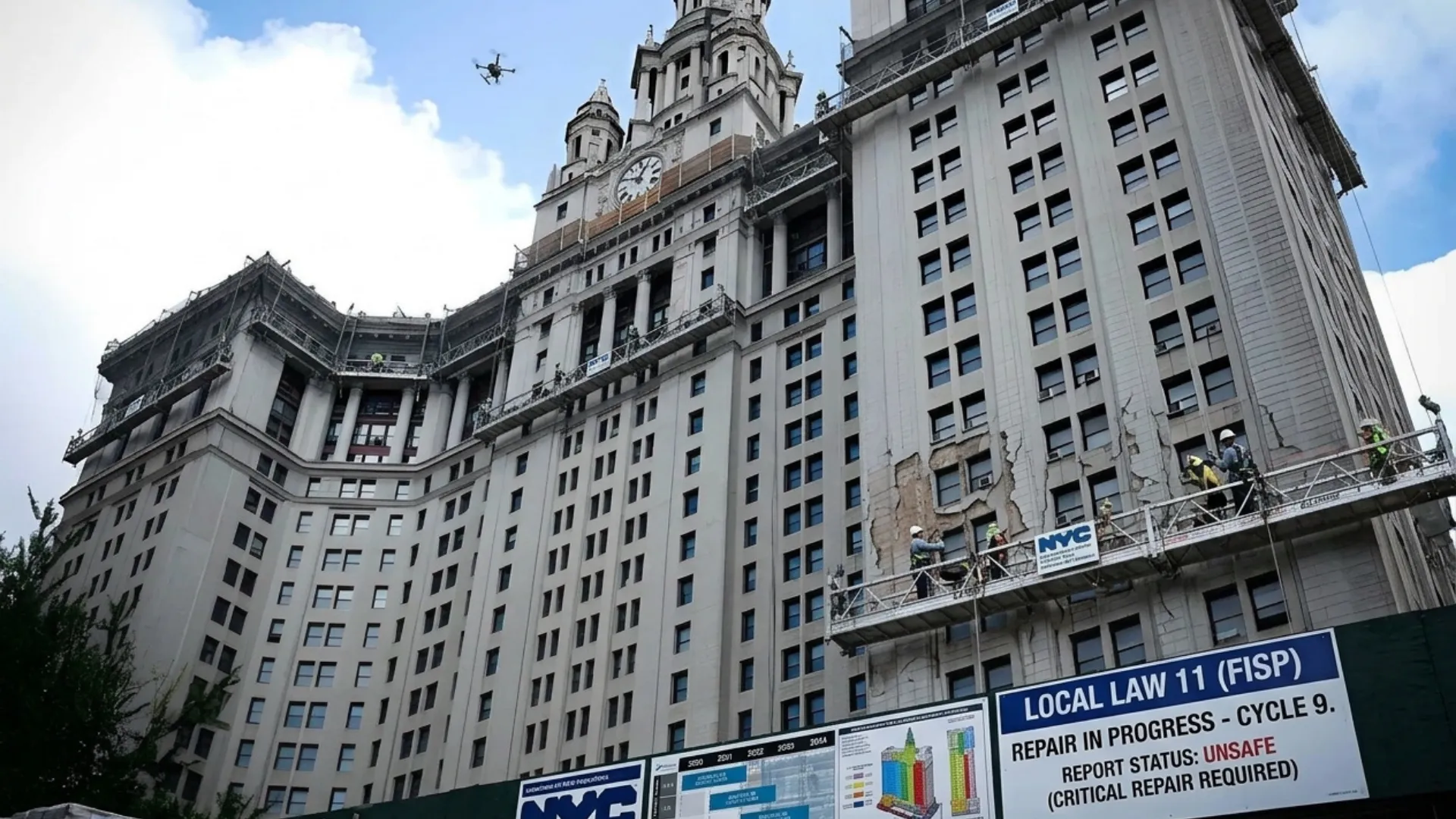
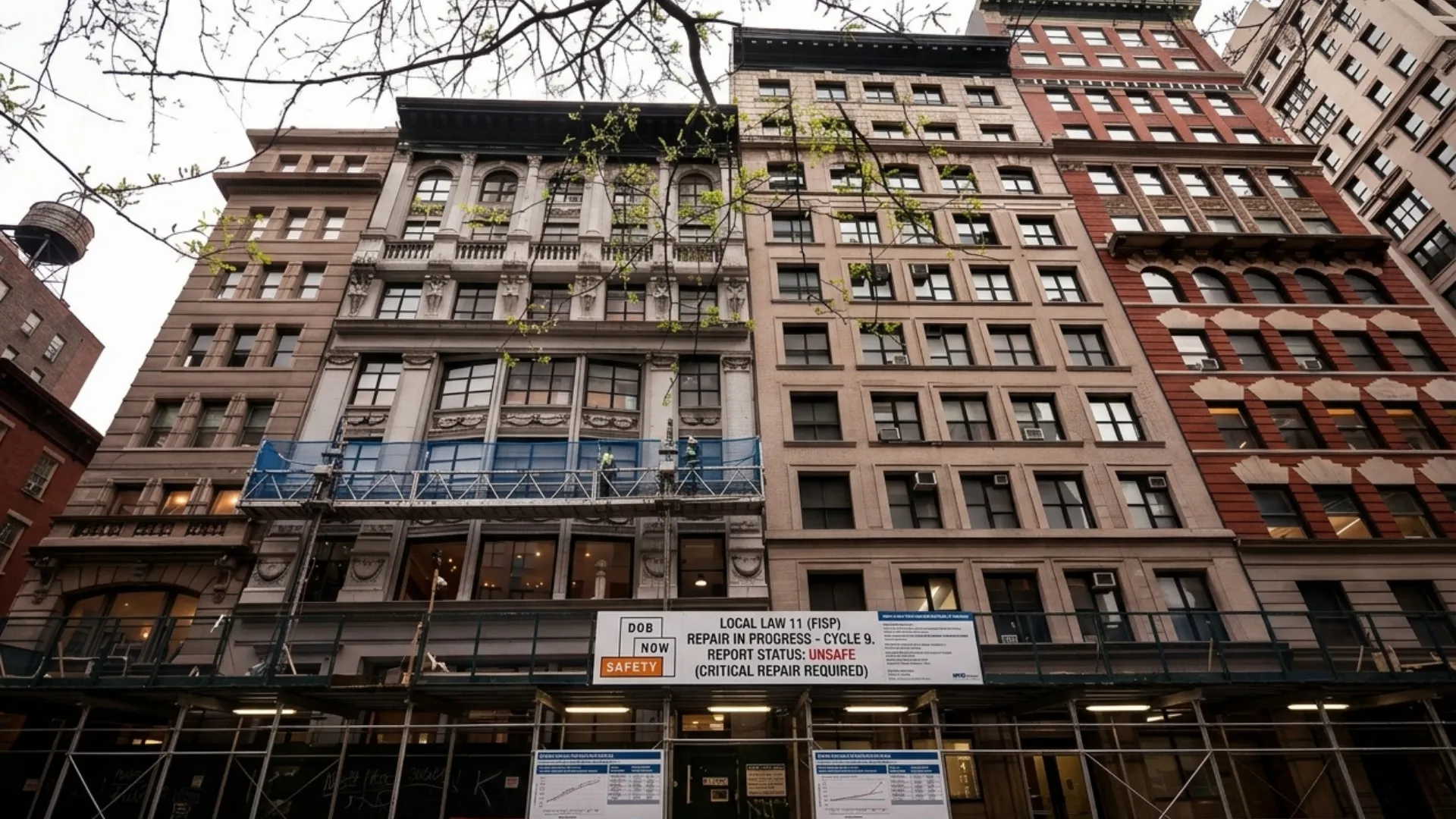
Knowing how to choose a facade contractor in NYC starts with understanding the work involved. Exterior repairs combine masonry, elevated access, public safety and building department documentation. General construction experience alone does not establish expertise in these areas.
What Goes Wrong With the Wrong Choice
- Repairs fail and require additional work.
- Missing documents delay required filings.
- Sidewalk sheds remain longer than necessary.
- Unclear contracts lead to unexpected charges.
Start With an Independent Scope
Before requesting bids, obtain a written scope from an appropriately licensed and qualified inspector. This gives every bidder the same specifications and helps you compare proposals fairly.
9 Questions to Ask Before You Sign
1. Are you licensed and registered for this work in NYC?
Ask for current licenses, registrations and permits applicable to the proposed work. Verify each credential with the relevant issuing authority, including the NYC Department of Buildings where applicable.
Red Flag
Be cautious of expired documents, vague answers or credentials belonging to another business.
2. What insurance do you carry, and can I see the certificates?
Request evidence of general liability, workers' compensation and disability benefits coverage, as applicable. Confirm policy limits, exclusions and additional-insured requirements with your broker or attorney.
Red Flag
Refusal to provide certificates or gaps in coverage should be resolved before work begins.
3. Who will supervise the work, and what safety training do they have?
Ask who manages the site daily and what relevant safety training supervisors and workers hold. Confirm that required training, site protections and applicable safety plans are in place.
Red Flag
An unclear chain of responsibility or inconsistent supervision can create avoidable safety and quality problems.
4. Can you show me similar exterior repair projects?
Request recent project photographs, references and examples involving buildings of comparable age, height and construction. Contact previous clients and ask about workmanship, communication and closeout.
Red Flag
General construction experience without relevant exterior repair examples deserves further scrutiny.
5. Does your bid cover the complete written scope?
Check that every specified repair, material, quantity and finish appears in the proposal. Where appropriate, request unit prices for measurable work and clear exclusions.
Red Flag
A low lump-sum proposal that omits specified items may produce expensive changes later.
6. How will you access the work and protect the public?
Ask about scaffolding, swing stages, sidewalk sheds, resident access and protection for pedestrians. Confirm which arrangements are included and who handles applicable permits and inspections.
Red Flag
An incomplete access plan or unspecified equipment charges can disrupt the schedule and budget.
7. What is your schedule, and what could delay it?
Request a projected start date, completion period and major milestones. Ask how weather, material availability, permits, building access and unexpected damage affect the programme.
Red Flag
Guaranteed completion dates without realistic milestones or allowances for site conditions require explanation.
8. What does your warranty cover, and for how long?
Obtain written warranty terms covering duration, eligible defects, exclusions and the process for requesting corrective work. Clarify who is responsible if the original company stops trading.
Red Flag
Verbal promises or exclusions that remove protection for the work being purchased weaken the agreement.
9. How do you handle changes and payments?
Require written change orders showing the reason, revised price and schedule impact. Link payments to documented progress and agreed milestones, with final payment terms clearly stated.
Red Flag
Large unexplained deposits, undocumented variations or pressure to approve extra work immediately warrant caution.
How to Compare Facade Repair Bids Side by Side
Scope Match
Confirm that each bid includes all specified repairs, materials, preparation, protection and cleanup. Record exclusions separately instead of assuming missing items are included.
Unit Prices
Compare unit rates for comparable work. Unusually low figures may reflect omitted preparation, different materials or unrealistic assumptions. Ask bidders to explain significant differences.
Schedule and Phasing
Review start dates, estimated duration, work hours and arrangements for occupied spaces. Check whether access equipment and resident protection are included throughout the project.
Warranty and Payment Terms
Compare warranty coverage, exclusions, payment milestones and final acceptance requirements. Agree on a documented process for outstanding defects before signing.
Where to Find Good Candidates
Ask Other Boards and Managers: Speak with property managers, co-op boards and owners who have completed similar projects. Ask whether the company met its commitments, handled changes transparently and supplied closeout documents.
Use a Vetting Process: Check credentials, insurance, references and relevant experience independently. You can also review how we vet and match facade contractors before deciding whether to use our network.
Know the Next Step: Once you have comparable bids, review the proposed work and its technical requirements. Our guide to facade restoration scope and repair planning in Queens explains the next considerations.
What to Ask About Queens Projects Specifically
Prewar Brick in Astoria, Sunnyside and Ridgewood
Ask about repointing, lintel repairs and mortar matching on older masonry. Confirm how the team assesses existing mortar before selecting replacement materials.
Towers and Mid-Rises in Long Island City and Flushing
Request examples of sealant, panel and elevated-access work on comparable buildings. Ask how equipment, pedestrian protection and resident communication were coordinated.
Co-ops in Forest Hills, Rego Park and Jackson Heights
Ask how the company phased work, communicated disruptions and managed access for residents. References from occupied buildings can reveal practical strengths and weaknesses.
Coastal Buildings in Far Rockaway and Howard Beach
Ask about corrosion, moisture exposure, compatible repair materials and weather-related delays. Relevant experience should include identifying deterioration and documenting the repairs performed.
Red Flags to Watch For
Pressure and Fear Tactics
Be cautious when someone demands an immediate signature to preserve a price or uses alarming claims without supporting inspection findings. Request evidence and time to review the proposal.
Prices That Seem Too Good
An unusually low bid may exclude access equipment, preparation, protection or specified repairs. Ask for a written explanation before comparing totals.
No Written Scope or Contract
The agreement should define the work, materials, schedule, payment terms, change-order process and responsibilities. Do not rely on verbal assurances for important commitments.
Contractor Who Is Also Your Inspector
When one company identifies repairs and sells the work, a conflict of interest may arise. An independent inspection and competing bids can provide greater transparency.
Frequently Asked Questions
How do I choose a facade contractor in NYC?
Start with an independent written scope. Verify relevant credentials and insurance, check similar projects, and compare written proposals, schedules and warranties before signing.
What are the biggest facade contractor red flags?
Watch for pressure to sign, missing insurance documents, unverifiable references, vague proposals and undocumented changes. These warning signs deserve clarification before you commit.
How many bids should I get?
Two or three comparable bids provide a useful starting point. Additional proposals help only when bidders receive the same specifications and their exclusions are clearly identified.
What insurance should a facade contractor carry?
Relevant coverage generally includes liability, workers' compensation and disability benefits, as applicable. Confirm limits, legal requirements and additional-insured wording with your broker or attorney.
Should I pick the lowest bid?
Not automatically. Compare included work, unit rates, access arrangements, schedule, payment conditions and warranty coverage. A higher, complete proposal may offer better value than an incomplete low bid.
Can the same company inspect my building and perform repairs?
It may be possible, depending on the applicable requirements, but the arrangement can create competing interests. Independent inspection and separate repair bids help owners evaluate recommendations objectively.
Get Matched With a Vetted Facade Contractor in Queens
Still deciding how to choose a facade contractor NYC property owners can rely on? Share your inspection report or written scope so you can compare suitable independent contractors against the same requirements.
Disclaimer: Repairs are performed by independent contractors in our network. Inspections are performed by appropriately qualified, licensed professionals.