
Nobody can quote your building's exterior-work bill from the street. But you deserve more than "it depends." The biggest difference in your budget often comes from access, the condition of the masonry and how much work is needed once the walls are examined.
This guide by Local Law 11 Inspection and Repair Queens explains the main expenses, how to compare proposals and where owners can avoid unnecessary spending. The goal is to help you plan before deadlines turn manageable work into a rushed project.
The Short Answer: What Local Law 11 Costs in Queens
The total has two main parts: the professional examination and any corrective work it identifies. The first is quoted before the examination. The second depends on the findings, quantities, access and construction requirements.
The NYC Department of Buildings says buildings higher than six stories must have exterior walls and appurtenances examined every five years. A Qualified Exterior Wall Inspector submits the technical report through DOB NOW: Safety.
Two Budgets, Not One
Treat the examination and construction as separate budgets. A professional's report may identify deterioration that requires no immediate major work, or it may reveal extensive defects needing prompt attention.
For example, a small area of deteriorated mortar may need local repointing. Widespread failing joints, corroded lintels and damaged parapets can require a much larger programme. Request separate written proposals for professional services and construction. This makes it easier to understand what each amount covers.
Quick Range Table
| Item | Typical range (estimate, October 2026) | What moves the price |
|---|---|---|
| Examination and technical report, mid-size building | $3,000 - $8,000 | Height, elevations and access |
| Examination and technical report, tall building | $8,000 - $25,000+ | Equipment, access drops and setup |
| Minor SWARMP work | $5,000 - $50,000 | Number of defects and access |
| Major or extensive corrective work | $50,000 - $500,000+ | Scope, phasing and site duration |
| Sidewalk shed, monthly rental | $15 - $35 per linear foot per month | Length, design and duration |
These figures are indicative estimates drawn from published NYC and Queens pricing guides available in October 2026. They are not a substitute for written proposals from qualified professionals and contractors. Confirm current prices, inclusions and access costs before publication. Review the ranges annually and update them when new quotes or reliable market data become available.
Facade Inspection Cost in NYC: What You Are Paying For
What Drives Inspection Price
Building Height and Number of Elevations
A taller property with extensive exterior walls usually takes more planning and access coordination than a smaller building with straightforward access. Multiple elevations and architectural details can add to the work involved.
Access Method
Drone-assisted surveys, scaffolding, swing stages and rope access have different capabilities and costs. A drone may help document visible conditions, but it does not automatically replace the close-up examination required by the applicable rules.
Report and Filing
Confirm that the proposal identifies the technical report, photographs, filing responsibilities and any owner approvals. DOB guidance states that the report must be filed within 60 days after the examination is completed.
What a Good Quote Includes
Look for the professional's name and qualifications, examination scope, access method, deliverables, filing responsibilities and exclusions. Ask about extra visits, additional access equipment and any work billed separately.
For the process itself, read how a Local Law 11 inspection is performed and rated.
Facade Repair Cost in NYC: Where the Big Money Goes
How Repairs Are Priced
| Work type | Common pricing basis | What to check |
|---|---|---|
| Brick pointing and masonry | Area or joint length | Removal depth, mortar matching and access |
| Parapet and cornice work | Linear length or defined scope | Local repair versus rebuilding, flashing |
| Balconies and railings | Per balcony or itemised scope | Concrete damage, steel and replacement needs |
| Sealants and waterproofing | Joint length or defined area | Preparation, joint dimensions and window count |
| Steel, lintels and anchors | Per item or location | Corrosion, concealed damage and engineering needs |
Note: Do not compare unit rates without checking quantities and inclusions. One contractor may include surface preparation and waste removal while another lists them as extras.
Phasing: The Biggest Budget Lever
The professional's findings determine priorities. Unsafe conditions require urgent action and any necessary public protection. SWARMP items are safe at the time of reporting but need maintenance or corrective work within the specified period.
Where the professional confirms that the timing is appropriate, owners may schedule non-urgent items in phases. Do not delay required work simply to spread payments.
Costs People Forget
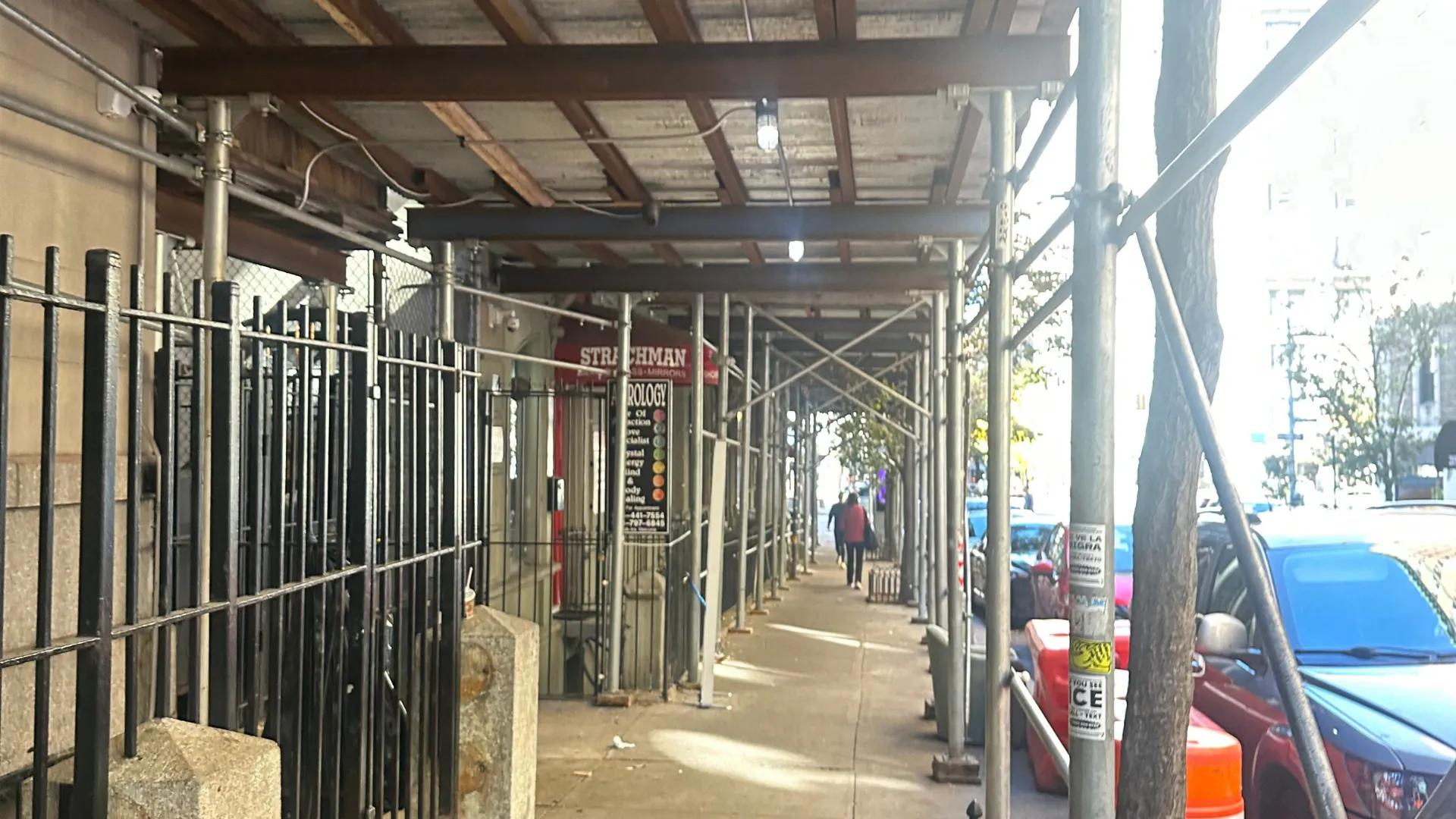
Sidewalk Shed Rental
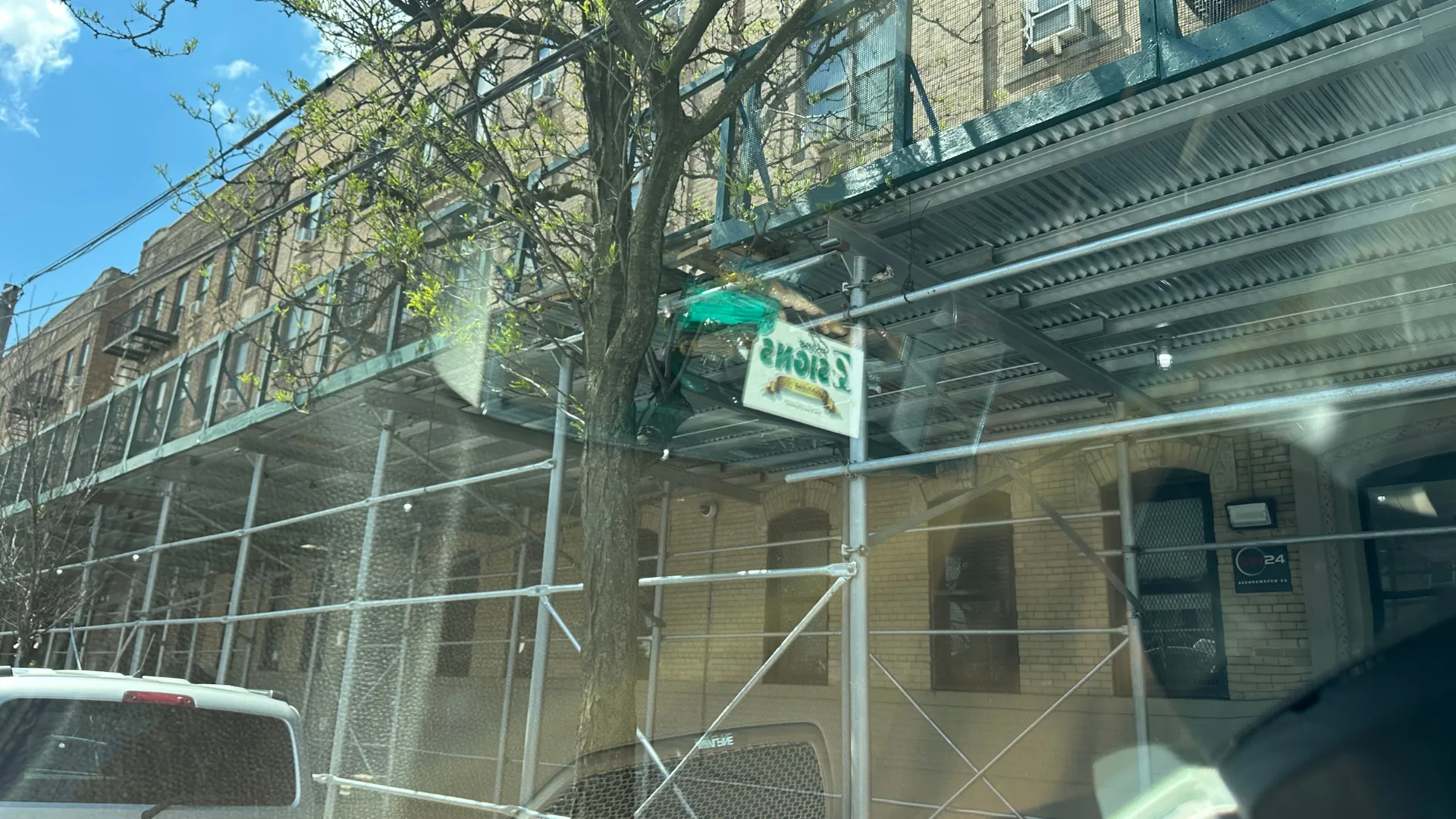
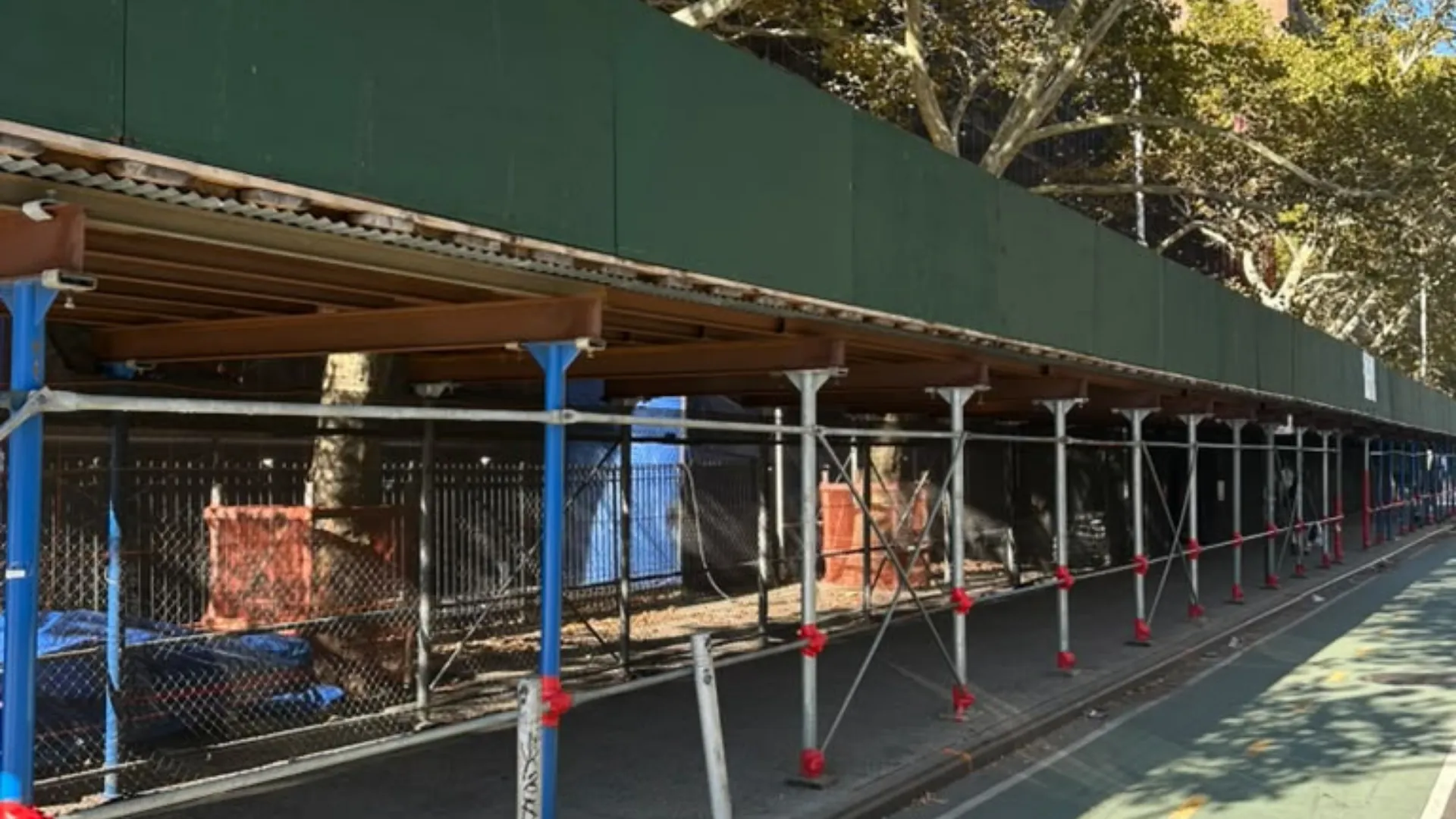
A shed may be required to protect the public. Rental and related charges can continue while work or approvals are delayed. Ask who is responsible for coordinating removal and what conditions must be met before it can happen.
See our guide to sidewalk shed costs and rules for more detail.
Permits and Filing Fees
Depending on the work, permits, renewals and professional submissions may add expenses. Check the current NYC Department of Buildings fee and filing guidance rather than relying on an old estimate.
Change Orders and Overruns
Concealed deterioration may become visible only after work begins. A contract with itemised quantities, unit rates and a written approval process makes additional work easier to assess.
Financing and Interest
Boards using loans or special assessments should account for interest, administrative charges and payment timing. Compare the total repayment obligation, not only the monthly amount.
How Boards and Owners Pay
Common funding sources include reserves, special assessments, increases in maintenance or common charges, and loans or lines of credit. The appropriate option depends on available funds, urgency and the building's governing documents.
Boards should request a clear breakdown of professional fees, construction, access equipment and contingency allowances before seeking approval. Keep shareholders informed about the known scope, unresolved questions and anticipated decision dates.
Read how co-op and condo boards plan facade budgets and votes.
7 Ways to Reduce Local Law 11 Costs
Before the Inspection
- Start early. Early planning gives you time to compare proposals and coordinate access.
- Gather existing records. Previous reports, drawings, permits and repair records can help the professional understand the building's history.
- Confirm the scope. Make sure the proposal identifies the elevations, access arrangements and expected deliverables.
During Scoping and Bidding
- Request an independent scope. Give contractors the same defined work so their proposals are comparable.
- Compare two or three bids. Review quantities, unit rates, exclusions, insurance and schedule, not just the final total.
During the Work
- Phase suitable work. Schedule non-urgent items according to the professional's recommendations and applicable deadlines.
- Plan access and removal early. Coordinate permits, equipment, materials, inspections and closeout requirements to avoid preventable extensions.
Never reduce essential safety measures or omit required work simply to obtain a lower price.
What Local Law 11 Costs Across Queens Neighborhoods
Astoria, Sunnyside and Ridgewood: Older Brick, Tighter Streets
Older masonry may need mortar renewal or lintel work. Limited street space can complicate equipment placement and public protection. Confirm access assumptions during bidding.
Long Island City and Flushing: Height and Sealant Work
Taller buildings can require more complex access arrangements. Sealant projects depend on joint length, preparation, materials and the number of affected openings.
Forest Hills, Rego Park and Jackson Heights: Size and Phasing
Large co-op complexes may have higher overall project totals because of their size. Phased programmes can help boards manage suitable work across budget periods without ignoring required deadlines.
Far Rockaway and Howard Beach: Corrosion and Weather
Coastal exposure can affect metal components and sealants. Weather can also influence site scheduling, so ask how delays and extended equipment rental are handled in the contract.
Frequently Asked Questions
How much does a Local Law 11 inspection cost in Queens?
There is no reliable borough-wide price without details about the property. Height, elevations, access and the scope of professional services all matter. Use the dated range table above once verified quotes have been collected, then request a written proposal for your building.
How much do Local Law 11 repairs cost?
The amount depends on the defects, quantities, materials and access requirements. Obtain competing proposals against the same written scope, with unit prices and exclusions clearly listed.
Is the inspection price all I will pay?
Usually, the examination and corrective work are separate expenses. Depending on the project, you may also need to budget for permits, public protection, equipment and financing.
Why do bids for the same building differ so much?
Proposals may include different quantities, access arrangements, materials or exclusions. Ask each bidder to price the same scope and explain any significant difference before making a decision.
Can I spread repair costs over time?
Some non-urgent work may be phased if the professional confirms that the schedule meets applicable requirements. Urgent hazards and required public protection must take priority.
When should I budget?
Begin when you know your filing window, ideally before commissioning the examination. Early preparation gives the board more time to obtain proposals, review funding and plan suitable work.
Get a Written Quote for Your Building
A useful estimate starts with the property itself. Send us the address and basic building details so we can help clarify the service required and arrange a written proposal.
Disclaimer: Examinations are performed by NYS-licensed professionals with the required qualifications. Construction is performed by independent, vetted contractors. Figures are estimates and should be confirmed against current written proposals.