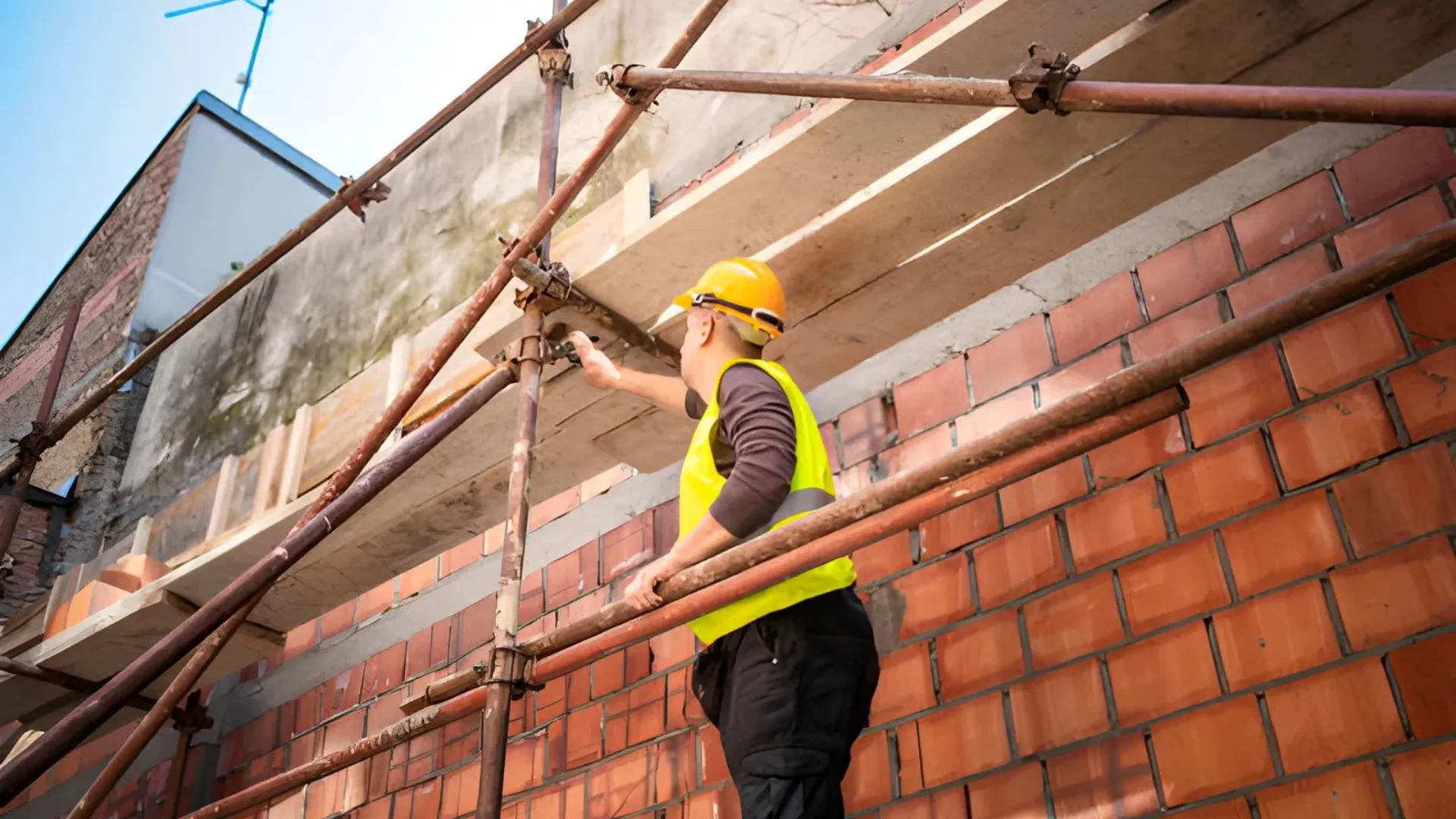
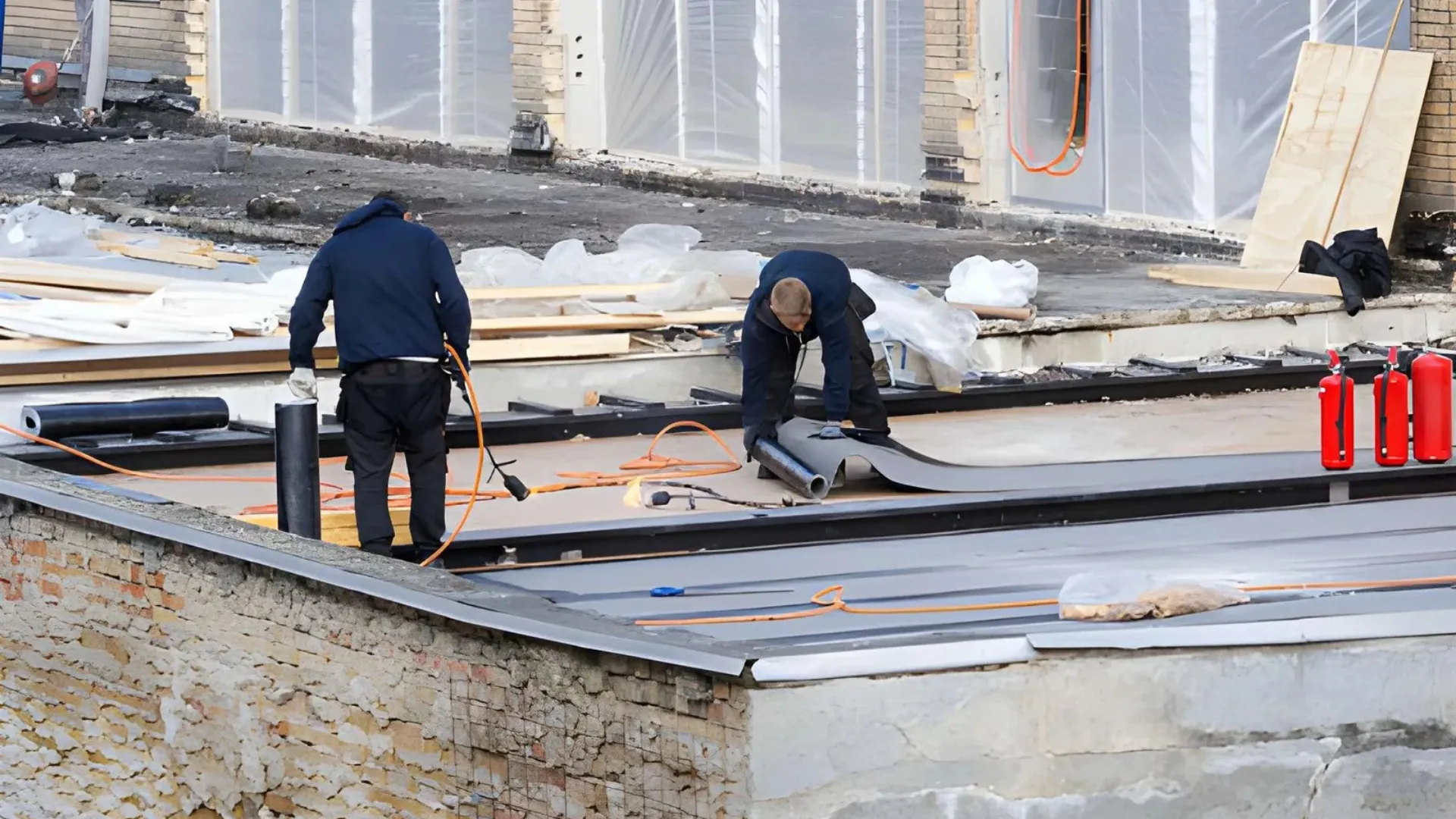
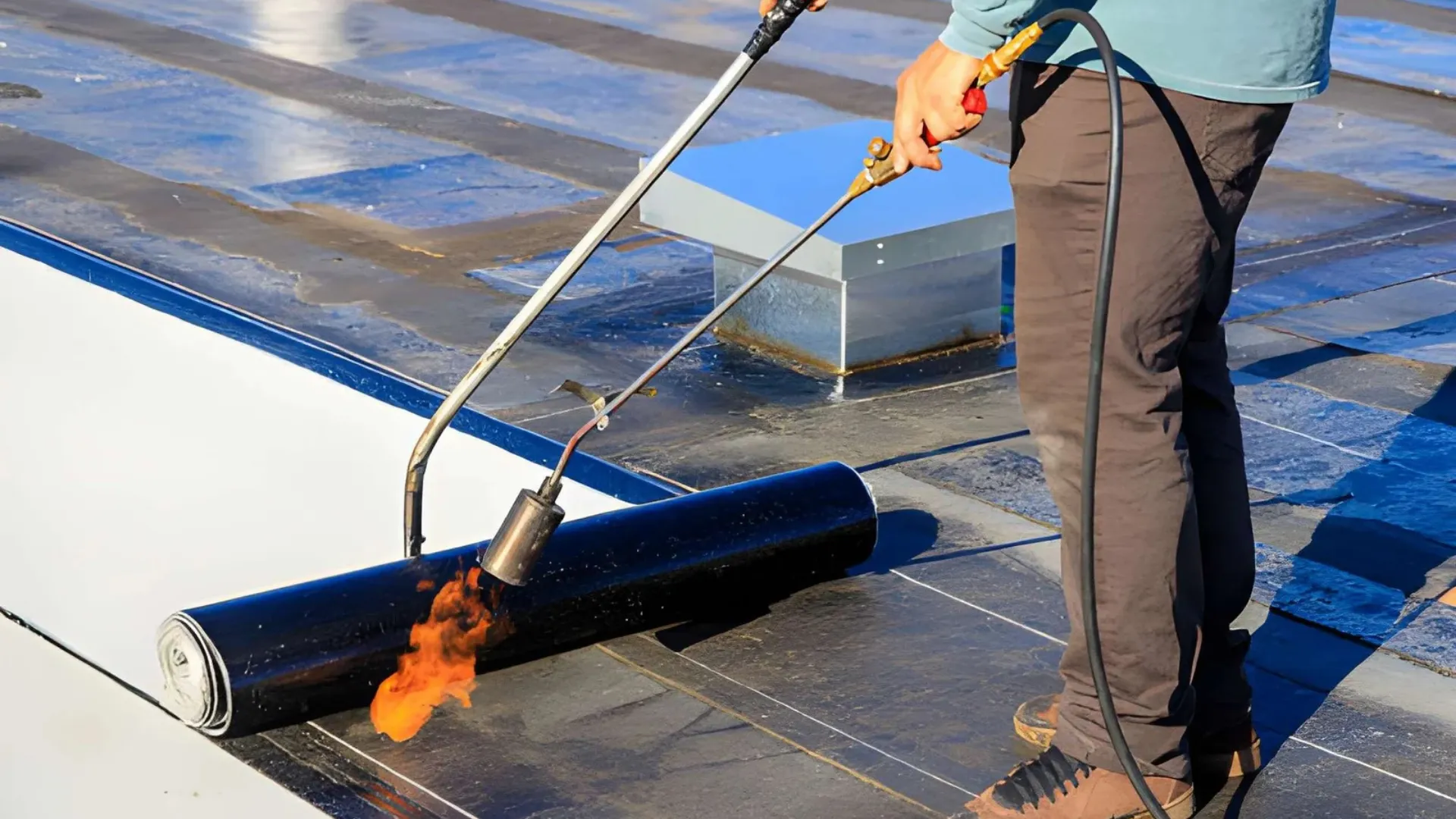
When an LL11 inspection identifies deteriorated masonry or unstable exterior components, property owners need a practical route from findings to repairs. Local Law 11 Inspection and Repair Queens connects them with vetted contractors who price the documented scope, coordinate necessary stabilization, and maintain records of completed work.
- Prompt stabilization for loose or leaning masonry
- Construction details based on a licensed professional's specifications
- Coordinated masonry, flashing and coping work
What Parapets and Cornices Are, and Why They Fail
Queens properties with exposed upper masonry face rain, snow, wind and repeated freeze-thaw cycles. These conditions can weaken mortar, loosen coping stones and corrode concealed metal supports. Where deterioration develops above a public walkway, falling material becomes a serious safety concern.
Owners of buildings subject to the city's Local Law 11 façade inspection requirements should ensure that identified defects are assessed and addressed within applicable deadlines.
Parapet vs. Cornice
A parapet is the wall extending above the roof edge. A cornice is a projecting decorative feature near the top of a building's exterior. Many prewar Queens properties have both, but their materials, connections and failure patterns differ.
Why They Fail
- Cracked or missing coping allows water to enter masonry.
- Failed flashing and sealants leave gaps at roof junctions.
- Deteriorated mortar weakens connections between bricks.
- Corroded anchors and steel supports can loosen decorative components.
- Freeze-thaw cycles widen existing cracks and accelerate material loss.
Warning Signs on Your Roofline
Leaning or Bulging Wall
A visible tilt, outward bow or separation from adjoining masonry may indicate instability. Arrange an urgent professional assessment rather than treating it as a cosmetic defect.
Cracked or Loose Coping
Open joints, shifting caps and gaps along the upper edge can allow water to penetrate the wall assembly.
Open Joints and Spalling Brick
Missing mortar, cracked masonry and flaking brick faces can indicate prolonged moisture exposure or material deterioration.
Stains and Efflorescence
Dark streaks and white mineral deposits below the upper wall can indicate moisture movement. The source should be identified before selecting a treatment.
Note From Our Team
If masonry is falling or appears ready to fall, keep people away from the affected area and contact us immediately. Call 911 if there is imminent danger.
Parapet Wall Repair Options: From Patching to Full Rebuild
Pointing and Spot Repairs
Where the wall remains sound, replacing deteriorated mortar and individual damaged bricks may be sufficient. The replacement materials should be compatible with the existing masonry.
Coping and Flashing Replacement
Damaged caps and defective flashing can allow repeated water penetration. Installing correctly sloped coping and properly integrated flashing helps direct water away from vulnerable joints.
Bracing and Anchoring
Where stability is compromised, engineered bracing or replacement anchors may be required. The selected method depends on the wall's condition and the capacity of the existing structure.
Partial or Full Rebuild
Extensively deteriorated sections may need careful dismantling and reconstruction. New ties, reinforcement, flashing and connections should follow the details specified by the responsible licensed professional.
Cornice Repair for Queens Buildings
Common Cornice Materials
Queens buildings may feature brick corbels, terra cotta, cast stone, natural stone, sheet metal or galvanized steel. Each material responds differently to moisture, corrosion and movement, so a single treatment will not suit every assembly.
Repair, Restore or Replace
Sound components may be secured and locally patched where appropriate. Severely deteriorated units may require replacement with compatible matching pieces or suitable alternatives. Historic properties may also require review of applicable landmark requirements.
How a Parapet Repair Project Works
Step 1: Assess From Roof and Street
The contractor reviews visible cracks, movement, loose components and water staining. Access methods should allow the relevant areas to be assessed safely.
Step 2: Stabilize Immediately if Needed
Loose sections may require temporary bracing or other protective measures directed by the responsible professional. If the building has an UNSAFE classification, consult our guide on how to move from UNSAFE to SAFE status.
Step 3: Define the Scope
The inspector or engineer establishes the required work and construction details where applicable. Contractors can then price the same scope, making proposals easier to compare.
Step 4: Plan Access and Protection
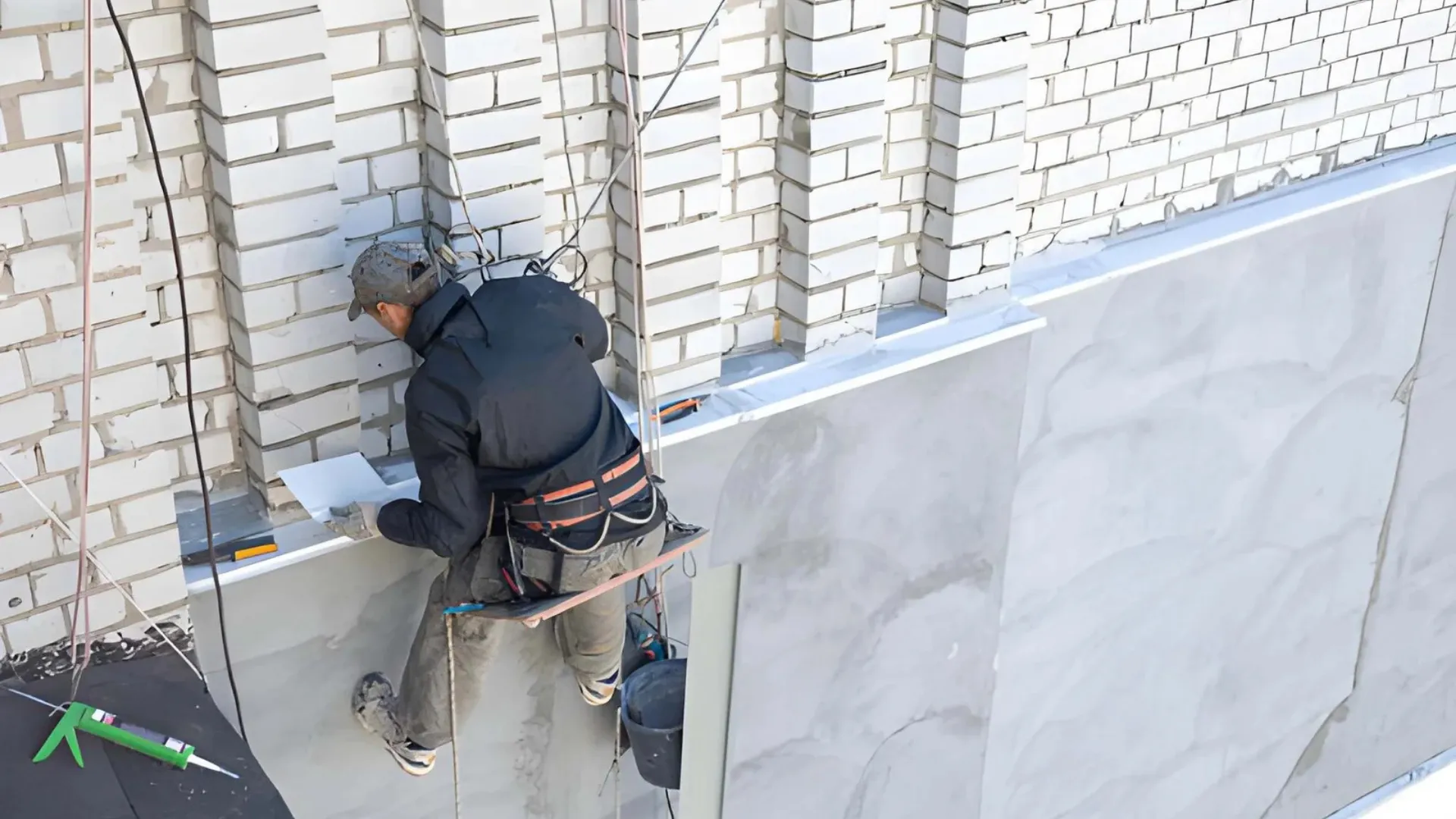
The project team coordinates roof access, fall protection, scaffolding and pedestrian safeguards before work begins. See our guidance on sidewalk protection while repairs are underway.
Step 5: Restore Masonry, Flashing and Coping
Work proceeds in the appropriate sequence so structural connections, water-management details and upper-edge materials function together.
Step 6: Document and Close Out
Collect progress photographs, material records and completion documents. Where the work relates to a FISP finding, the QEWI determines the inspection, reporting and filing steps needed to reflect the corrected condition.
Parapet Repair Costs and Timelines
What Drives the Cost
- Length, height and condition of the affected wall
- Number of damaged bricks, joints and decorative units
- Coping, flashing and concealed connection work
- Roof access, fall protection and specialist equipment
- Scaffolding and pedestrian protection requirements
- Permit, design and landmark approval requirements, where applicable
Typical Timeline
Temporary stabilization may be arranged quickly when suitable crews and equipment are available. Small work packages may take several days, while extensive reconstruction can take weeks or longer.
Parapet and Cornice Repair Across Queens Neighborhoods
Jackson Heights, Rego Park and Forest Hills: Extended Parapets
Long parapet walls and coping joints may require coordinated repairs across multiple elevations.
Astoria and Sunnyside: Decorative Cornices
Ageing cornices above busy pavements need prompt assessment and appropriate pedestrian protection.
Flushing and Jamaica: Busy Commercial Frontages
High foot traffic makes safe access, equipment placement and work scheduling essential.
Far Rockaway and Howard Beach: Coastal Exposure
Salt and moisture can accelerate corrosion and joint deterioration, making durable repairs and water management important.
Why Owners Choose Us for Parapet and Cornice Repair
- Prompt Attention: Reported instability is reviewed so necessary safety measures can be identified.
- Professional Specifications: Repairs follow the responsible licensed professional's documented recommendations.
- Coordinated Repairs: Related masonry, metalwork, flashing, and coping work is coordinated where needed.
- Contractor Checks: Review credentials, insurance documents, and relevant project experience before hiring.
- Clear Records: Keep repair documentation organised for building files and professional follow-up.
Here's what Sarah L., Board Trustee from Jackson Heights has to say about Local Law 11 Inspection and Repair Queens:
"Meticulous terra cotta matching and landmark compliance."
Our historic building in Jackson Heights required intricate repairs to deteriorating cast stone and brick corbels along the roof edge. The masonry experts introduced to us were highly experienced with Queens historical guidelines. They created beautiful, material-compliant trial samples that matched our weathered prewar aesthetic seamlessly before filling the joints and tooling the finished profiles. Exceptional craftsmanship.
Frequently Asked Questions
What is the difference between a parapet and a cornice?
It is the wall extending above the roof edge, while a cornice is a projecting decorative feature near the top of a building. Both can deteriorate and may require attention during a façade inspection.
Why do parapets fail so often?
Their upper surfaces and exposed faces are vulnerable to water entry. Cracked coping, failed flashing, open joints and corroding connections can allow deterioration to progress, particularly through repeated freeze-thaw cycles.
Is a leaning parapet an emergency?
A leaning or bulging wall should be treated as an urgent safety concern. Keep people away from the affected area and contact a qualified professional immediately. Call 911 if there is imminent danger.
Can a parapet be repaired, or does it need to be rebuilt?
Both approaches are possible. Sound masonry with localised deterioration may be suitable for targeted work, while extensive failure or instability may require partial or complete reconstruction. The responsible professional should determine the appropriate scope.
Will I need a sidewalk shed for this work?
Not every project requires the same protective arrangement. The site conditions, work methods and applicable NYC Department of Buildings requirements determine whether a shed or another approved measure is necessary.
How long does repair take?
Small projects may take several days, while extensive reconstruction may take weeks or longer. Weather, access, material availability, permits and coordination with other building work all influence the schedule.
Get Matched With a Vetted Parapet Repair Contractor in Queens
Share your building address and any relevant inspection findings. We will review the information and connect you with qualified contractors so you can compare proposed scopes, pricing and availability.
Disclaimer: Work is performed by independent contractors in our network. Inspections and professional assessments are performed by appropriately licensed professionals. Add any required referral or compensation disclosure following legal review.