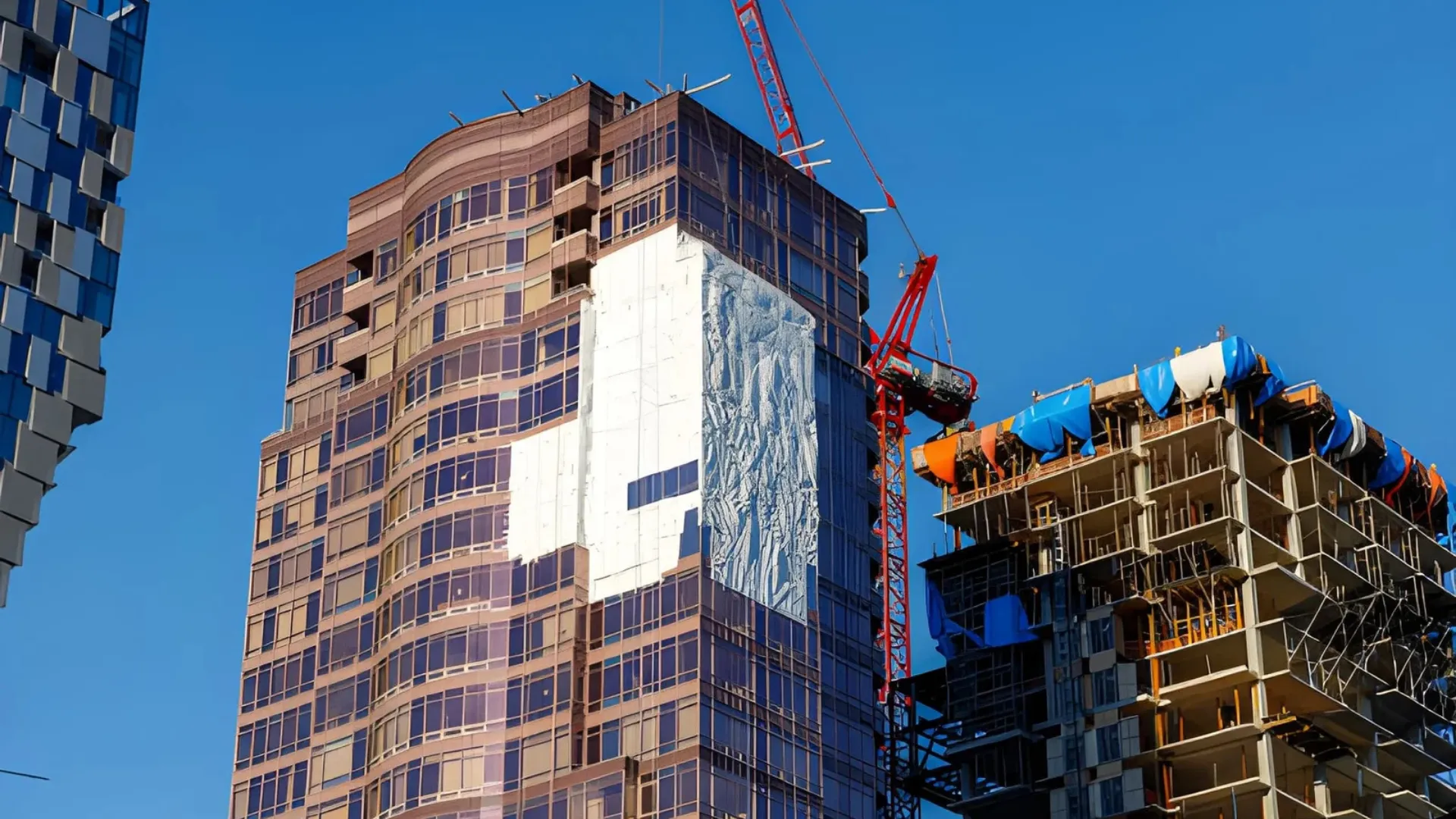
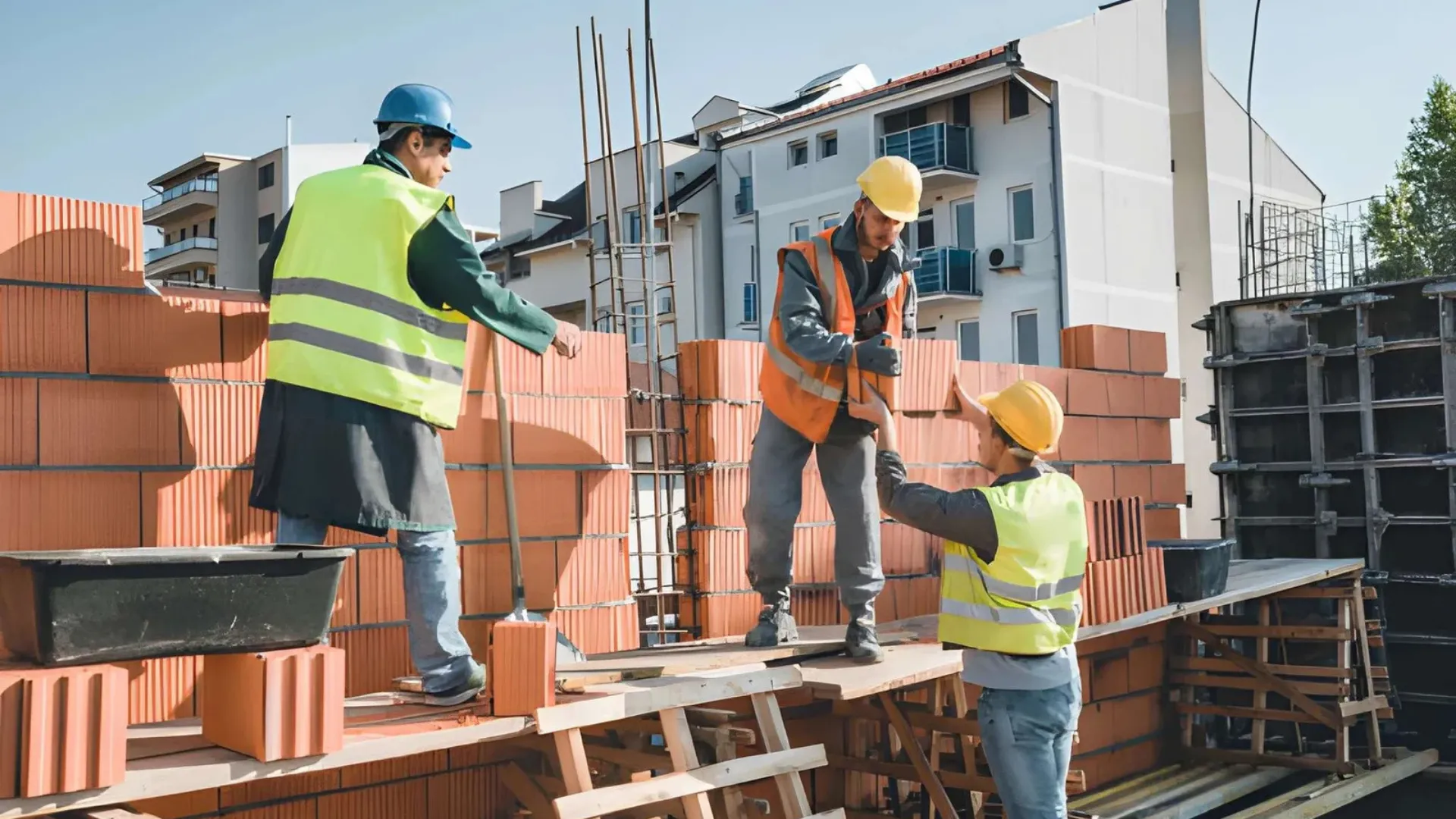
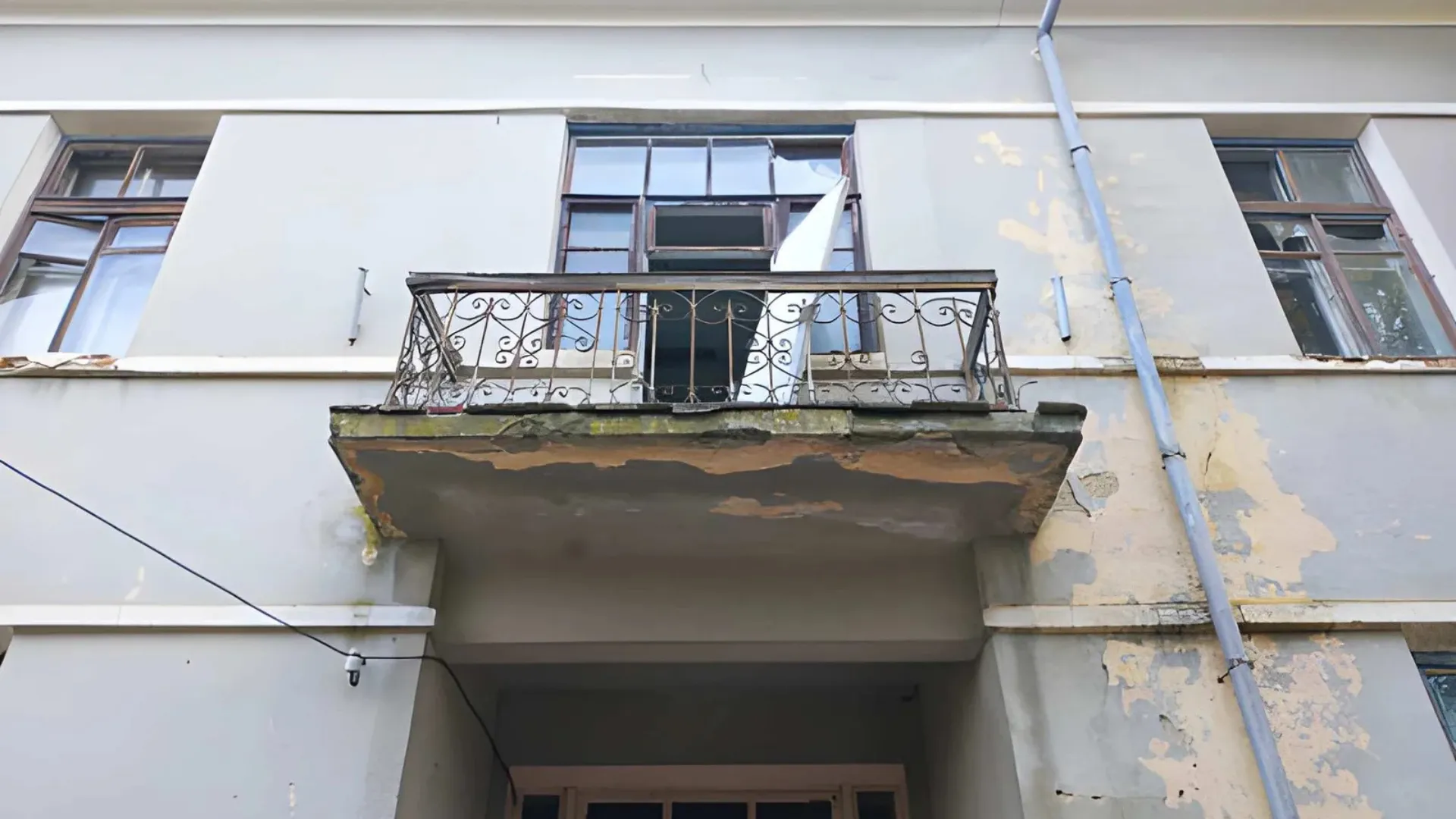
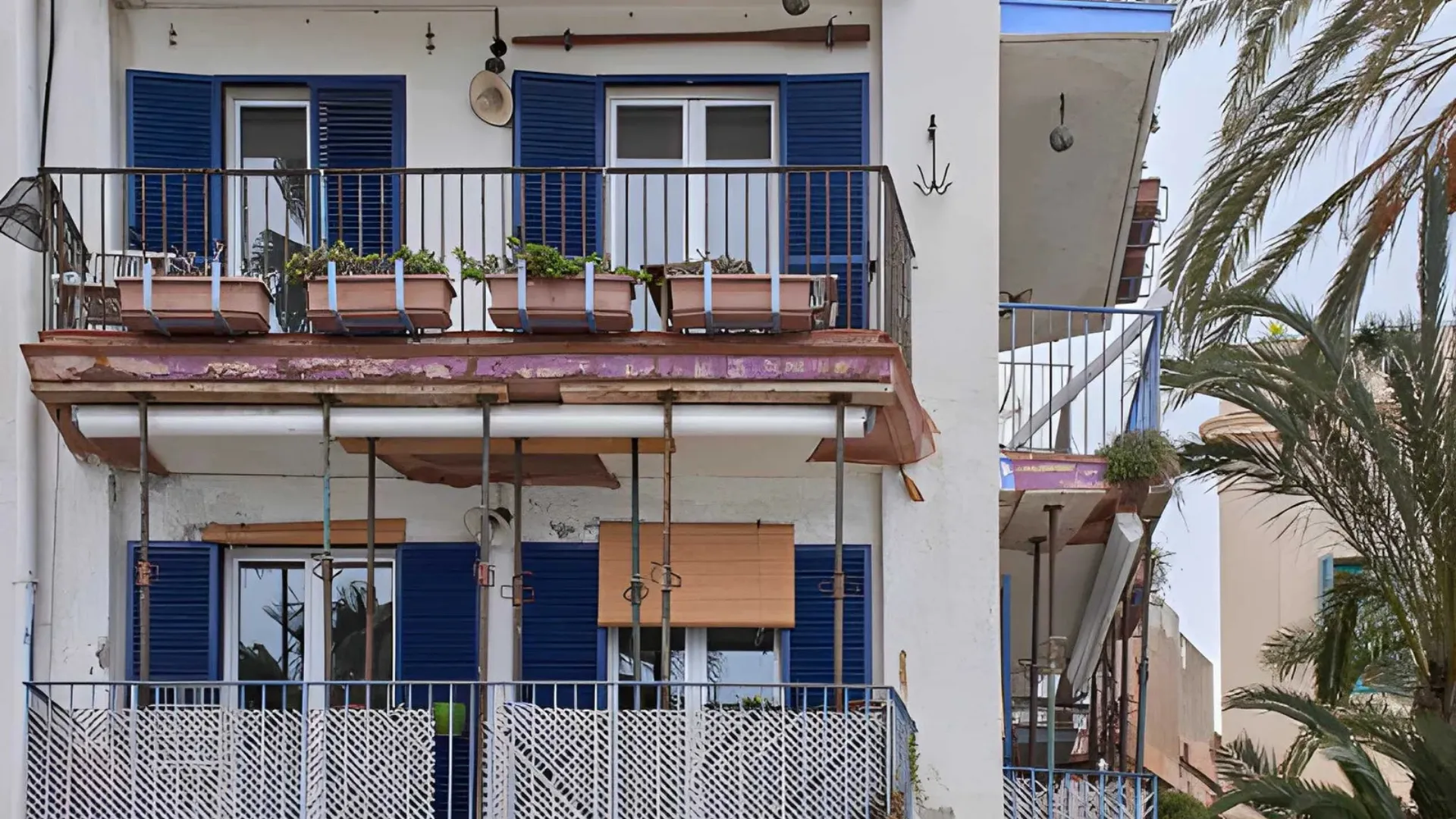
Failing mortar can let moisture into older walls, loosen masonry and create expensive maintenance issues. Local Law 11 Inspection and Repair Queens connects property owners with vetted contractors who assess the joints, match suitable mortar and document completed work.
- Mortar selected for the existing wall
- Dust controls for occupied properties
- Before-and-after photographs
What Brick Pointing Is and When Your Queens Building Needs It
This involves renewing deteriorated mortar between masonry units. Sound joints help shed water while accommodating the movement expected of the wall. Once mortar becomes powdery, recessed or cracked, moisture can penetrate and accelerate deterioration.
Under Local Law 11 and NYC's Façade Inspection & Safety Program, qualifying buildings undergo periodic exterior inspections.
Pointing, Tuckpointing and Repointing: What's the Difference?
| Term |
Meaning |
Main Purpose |
| Pointing |
Applying mortar to the joints between structural blocks. |
Fills joints and helps protect brickwork from moisture. |
| Repointing |
Removing deteriorated mortar and replacing it with fresh mortar. |
Restores damaged joints and helps maintain masonry. |
| Tuckpointing |
Using contrasting mortar colours to create the appearance of fine, uniform joints. |
Provides a neat, decorative finish. |
When requesting quotes, ask whether the proposed work covers standard mortar replacement or the decorative two-colour technique. Confirm the mortar removal depth, material specifications, access arrangements and cleaning method before comparing prices.
Warning Signs Your Brick Needs Pointing
Crumbling or Sandy Mortar
Mortar that powders when rubbed or falls away from joints may have deteriorated. Do not scrape extensively or remove material yourself to test its condition.
Open Joints and Water Stains
Gaps, recessed joints and dark marks beneath windows can indicate moisture entry. Check whether the pattern continues around corners or across several elevations.
Stepped Cracks in the Brick
Cracks following horizontal or vertical joints can indicate movement or other underlying issues. Have significant cracking assessed before treating it as a surface defect.
White Powder on the Brick
Efflorescence is a deposit of salts left behind as moisture moves through masonry and evaporates. If damaged joints are not the only source, investigate waterproofing and sealant work as well.
The Pointing Process Done Right
Step 1: Survey and Test the Wall
The contractor identifies deteriorated joints, damaged units and areas needing closer investigation. For older properties, assess the existing mortar before selecting replacement material.
Step 2: Remove Old Mortar to Proper Depth
The crew removes unsound material without unnecessarily damaging the brick edges. Removal depth should suit the joint condition and the specified method. Cutting and grinding can release respirable crystalline silica.
Step 3: Match the Mortar
The replacement mix must be compatible with the original masonry in strength, permeability and composition. A sample or trial area can help establish the colour and finish before work proceeds across the wall.
Why Prewar Brick Needs Softer Mortar
Older masonry often uses relatively soft structural blocks and lime-rich mortar. A harder, less permeable cement-heavy mix can transfer stresses into the structural blocks and contribute to cracking or spalling.
Color and Tooling Profile
Mortar colour changes as it cures and weathers. Agree on a representative sample, joint profile and finish before approving the full job. This is especially important where decorative patterns or visible street elevations must retain their original appearance.
Step 4: Fill in Layers and Tool the Joint
The crew packs mortar properly into prepared joints, using layers and techniques suited to the mix and joint depth. Correct tooling consolidates the material and helps the finished profile shed water.
Step 5: Cure, Clean and Document
Fresh mortar needs protection from unsuitable temperatures, rapid drying and heavy rain. Cleaning should follow the material manufacturer's recommendations. Photograph completed areas and retain the agreed scope, product details and invoices.
Masonry Repair Beyond Pointing
Replacing Spalled and Cracked Brick
Where the face has detached or a unit has fractured, replacement may be necessary. New units should be selected to suit the existing dimensions, appearance and performance requirements. The surrounding joints must also be assessed.
Crack and Lintel Repair
Cracks above doors and windows may relate to corroded steel lintels, movement or other structural issues. Replacing mortar alone will not correct a failed support. Have the cause established before agreeing to the work.
When It Becomes a Bigger Project
Widespread deterioration may call for coordinated work across several elevations rather than repeated isolated patches. Explore our building-wide repair programs when the findings extend beyond individual joints.
Brick Pointing Costs, Timing and Seasons
What Drives the Cost
- Total area and proportion of joints requiring renewal
- Joint depth, existing mortar and damaged units
- Building height and access equipment
- Colour matching, specialist materials and sample panels
- Occupancy, dust controls and site protection
The Best Time to Point Brick
Moderate weather generally makes scheduling easier, but suitability depends on the mortar specification and site conditions. Excessive heat, rain, frost and rapid drying can compromise curing. Book ahead where possible.
Brick Pointing Across Queens Neighborhoods
Astoria and Ridgewood: Early 20th-Century Brick
Older apartment blocks and attached houses may have traditional masonry details and weathered joints. Check original materials before choosing a replacement mix.
Sunnyside and Woodside: Mid-Rise and Garden Brick
Residential complexes may show deterioration around window openings, corners and exposed wall sections. Consistent sample approval helps maintain a uniform appearance across shared elevations.
Jackson Heights, Forest Hills and Rego Park: Decorative Brick Co-ops
Ornamental patterns, arches and cast details require careful workmanship. Agree on the finished profile and colour before work starts, particularly on prominent entrances and street-facing walls.
Why Owners Choose Us
- Material Compatibility: Contractors are asked to consider the existing wall rather than defaulting to one standard mix.
- Controlled Working Areas: Discuss dust management, entrance protection and resident access before approving the method.
- Documented Completion: Keep photographs, specifications and invoices organised for future maintenance or professional review.
- Contractor Comparison: We connect property owners with independent contractors for review of scope, pricing, insurance documents and proposed schedules.
Here's what Elena R. From Forest Hills has to say about Local Law 11 Inspection and Repair Queens:
"Transparent bidding saved us from a massive bill."
We had widespread efflorescence and open joints on our Forest Hills brick building. This platform helped us map out a structured survey instead of guessing at the scale of the damage. Having multiple vetted crews bid against one clear, itemized scope meant we could verify unit prices for the masonry repair without any surprise upcharges. Everything was documented perfectly with invoices and photos for our next compliance cycle.
Frequently Asked Questions
Is brick joint repair the same as tuckpointing?
The terms are often used interchangeably in everyday searches. Traditional one creates a decorative two-colour finish. Ask your contractor to explain the proposed technique and work included.
How often does mortar joint repair become necessary?
There is no fixed interval. Mortar lifespan depends on its composition, weather exposure, workmanship and maintenance. Regular inspections help identify deteriorating joints before damage spreads.
Can modern cement mortar be used on old brickwork?
Not always. Mortar that is too hard or insufficiently permeable can damage softer, older structural blocks. Choose a compatible mix based on the existing brickwork, original mortar and exposure conditions.
Can mortar joint repairs prevent water leaks?
Repairing deteriorated joints can reduce water penetration through structural blocks walls. However, leaks may also originate from windows, flashing, roof edges or failed sealants. Identify the source before selecting a repair.
Can repairs help address Local Law 11 findings?
If the QEWI identifies deteriorated mortar joints in the inspection report, completing the specified repairs may address those findings. The QEWI determines the required scope and filing requirements. Contractor photographs alone do not change an official building classification.
Can mortar joints be repaired during winter?
Yes, when suitable application and curing conditions can be maintained. Cold-weather protection requires additional planning and may increase costs. The contractor should follow the material manufacturer's specifications and document the protection measures used.
Get Matched With a Vetted Brick Pointing Contractor in Queens
Share your building address, photographs or inspection report. We will review the information and connect you with independent contractors for suitable proposals.
Disclaimer: Work is performed by independent contractors in our network. Inspections are conducted by appropriately qualified professionals.