Under New York City's Local Law 11 and Façade Inspection & Safety Program (FISP), qualifying buildings generally undergo exterior-wall inspections every five years. A Qualified Exterior Wall Inspector (QEWI) classifies the findings according to their condition and urgency.

An UNSAFE or SWARMP rating requires a clear plan, qualified professionals and timely action. Local Law 11 Inspection and Repair Queens connects property owners with vetted contractors who work from the inspector's findings and provide project documentation.
- Fast response for urgent conditions
- Work scoped from the inspector's report
- Photographs and completion records
What an UNSAFE or SWARMP Rating Means
| Rating | What it means | Owner's next step |
|---|---|---|
| SAFE | No conditions requiring corrective work were identified | Follow the applicable inspection cycle |
| SWARMP | Conditions need attention before deterioration creates a hazard | Complete the specified work by the report's deadline |
| UNSAFE | Conditions present a current public-safety concern | Arrange immediate protection and follow the required correction process |
UNSAFE: Act Now
Your QEWI must identify the affected areas and recommend appropriate public protection. Arrange protection immediately and confirm the required scope and deadlines with your inspector.
SWARMP: Plan Now
SWARMP does not mean the condition can be ignored. The report identifies when the work must be completed. Planning gives your board or management team time to obtain bids.
Step-by-Step Plan to Fix an UNSAFE Condition
Step 1: Protect the Public Immediately
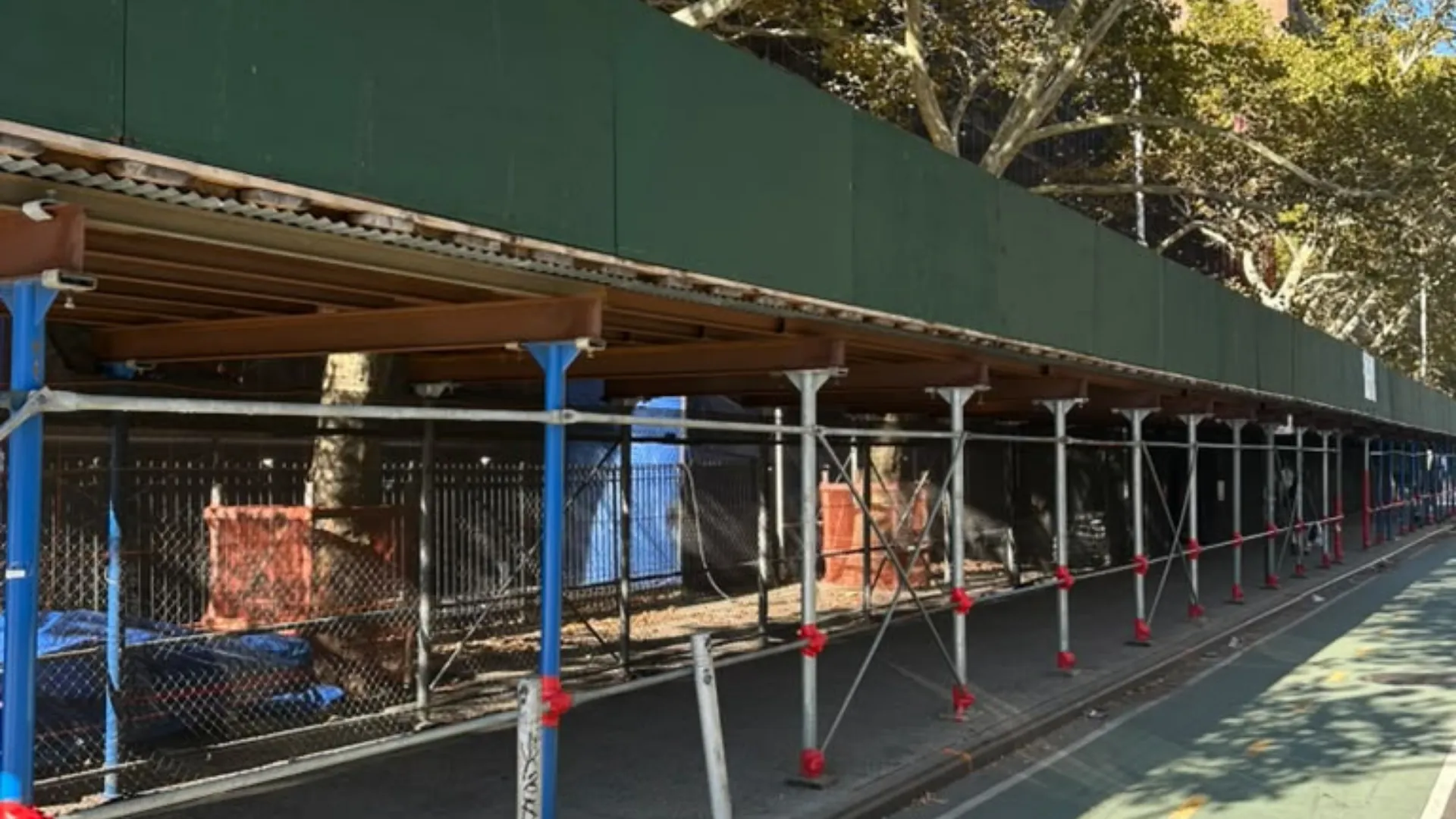
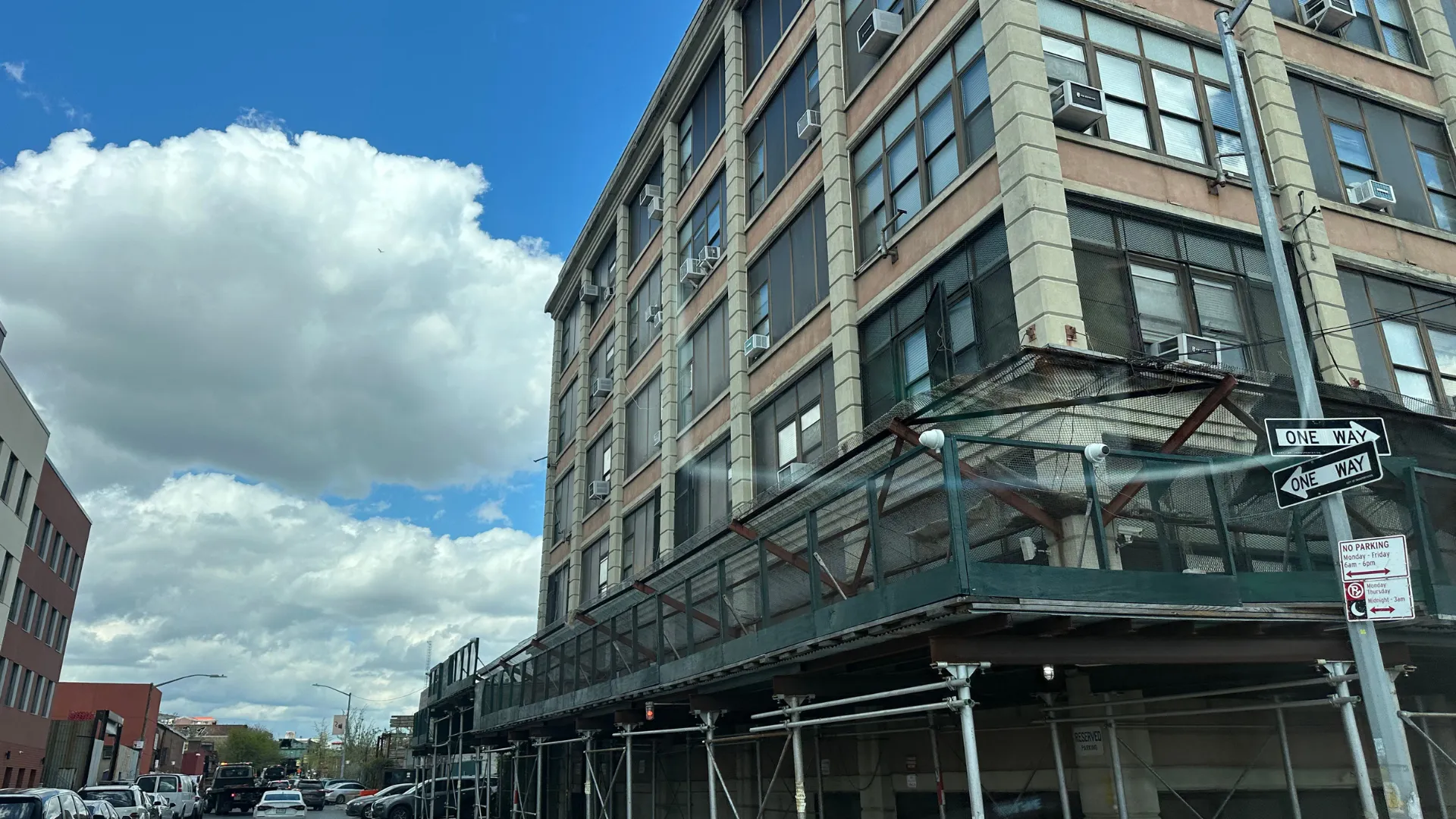
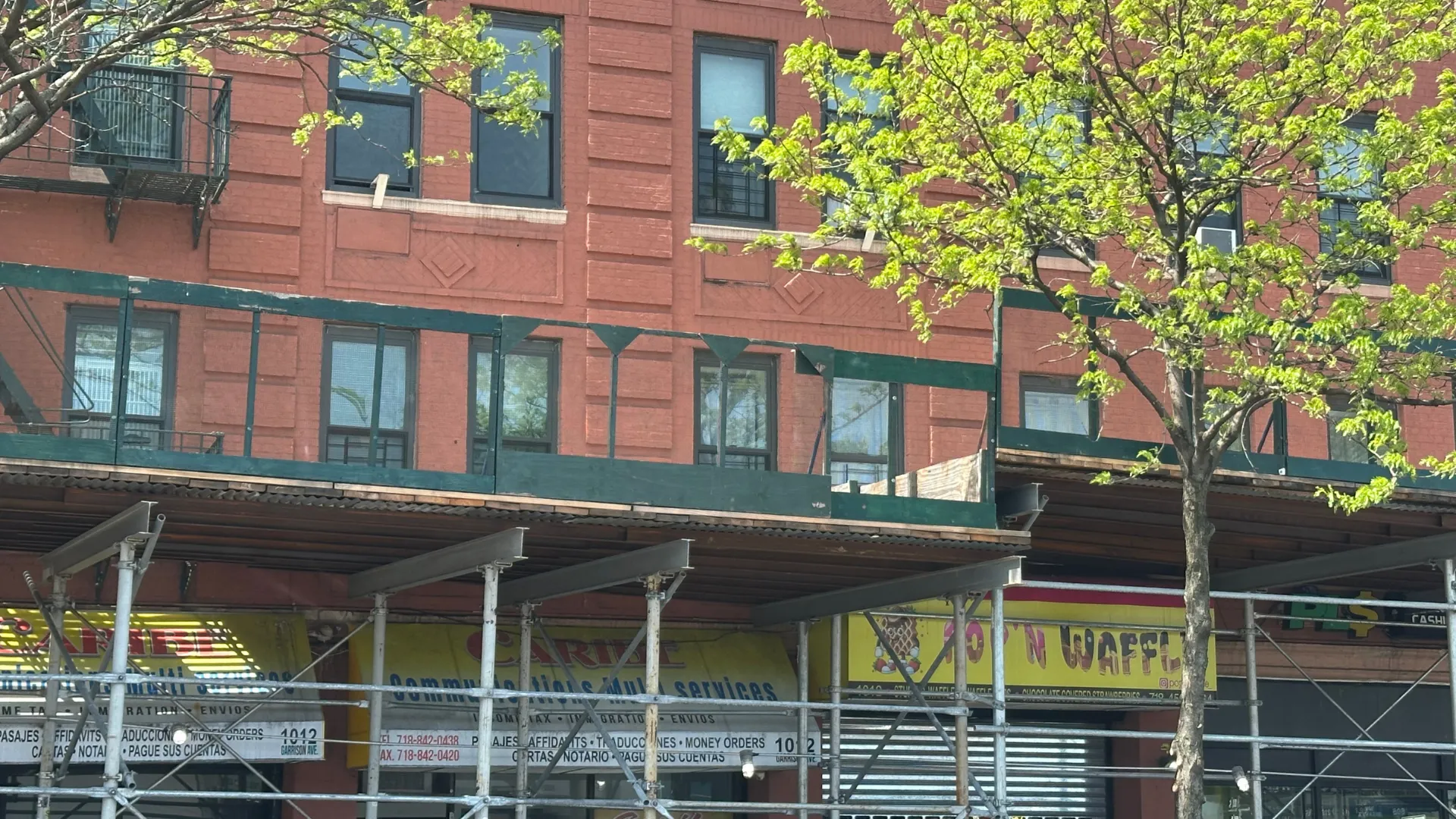
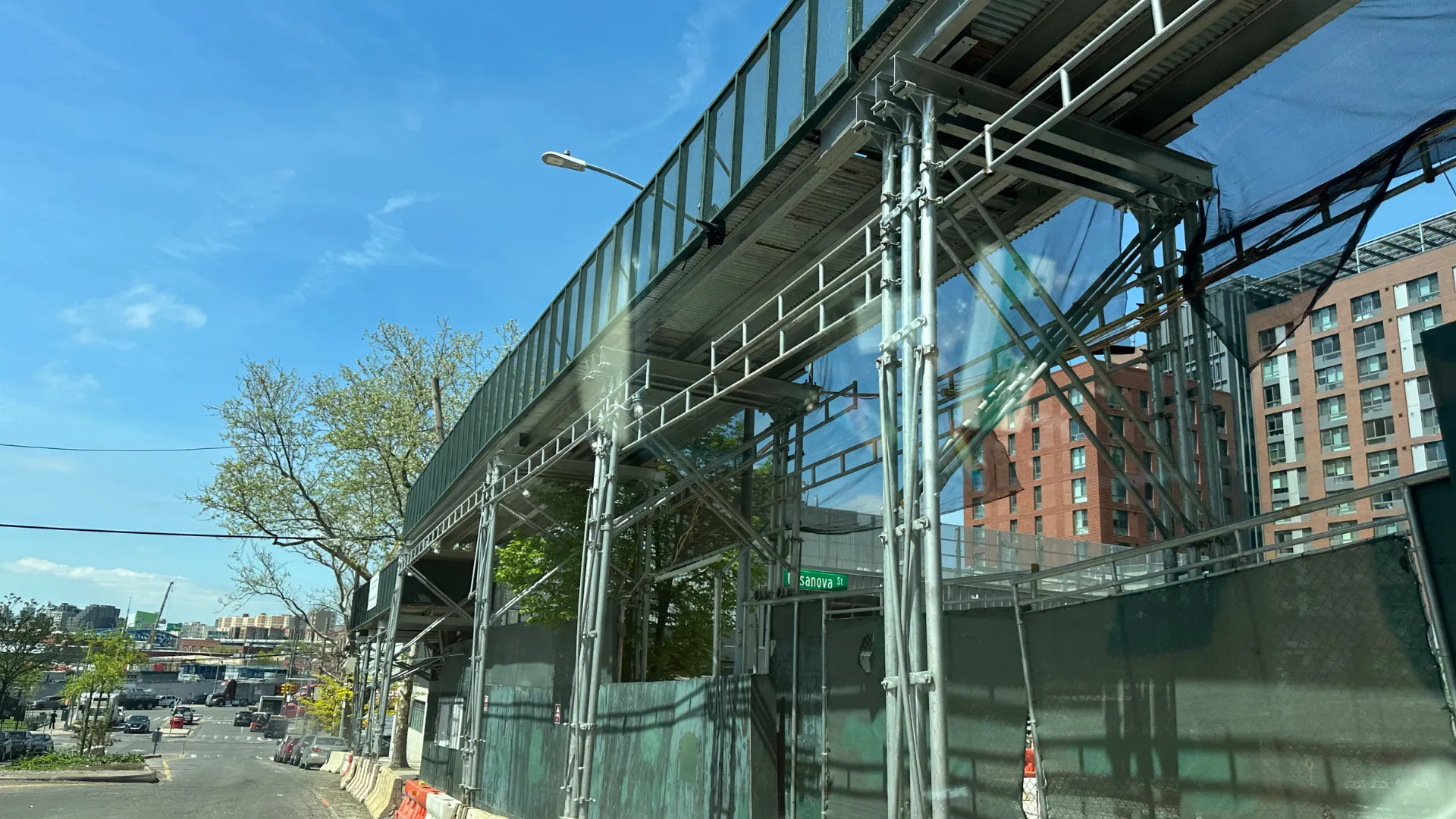
Follow your QEWI's recommendations for securing affected areas. Where a sidewalk shed is required, coordinate its installation and any necessary permits with qualified providers. Keep entrances, pedestrian routes and access arrangements in mind when planning the work.
See how sidewalk sheds are installed.
Step 2: Confirm the Scope With Your Inspector
Obtain the inspection report and identify each condition, its location and the corrective work specified. Ask the QEWI to clarify technical requirements, access arrangements, required permits and the evidence needed to verify completion. A written scope helps contractors price comparable work.
Step 3: Hire a Vetted Contractor
Request itemised proposals from qualified contractors and compare them against the same written scope. Review relevant project experience, insurance documentation, proposed materials, access methods, exclusions and scheduling.
Step 4: Complete and Document the Work
Keep a central record throughout the project rather than collecting documents after the crew leaves.
- Before-and-after photographs: Capture each affected location clearly, including identifying details that help the inspector match the image to the report.
- Inspector review: Arrange inspections at the appropriate stages, especially before work conceals materials or connections that may need verification.
- Permits and materials: Retain applicable permits, invoices, product information and completion records. Your QEWI should confirm which items are needed for the amended filing.
Step 5: Update the Rating and Reach SAFE Status
After the specified work is complete, provide the QEWI with the supporting documentation and arrange any necessary verification. The QEWI must submit the required amended FISP report, and the DOB must accept it before public protection can generally be removed.
SWARMP Repair Deadlines
The SWARMP completion date appears in the QEWI's report. NYC DOB guidance generally places this date between one and five years, depending on the findings and applicable requirements. Your building's documented deadline takes precedence over a general estimate.
How the Deadline Works
Review every listed condition and its completion date. Do not assume all items share one deadline or that the next inspection cycle gives you extra time. Conditions left unaddressed may deteriorate. Previously reported SWARMP conditions that remain unresolved or require the same work again may be classified as UNSAFE under FISP rules.
How to Prioritize
Start with the inspector's recommendations. Pay particular attention to water infiltration, deteriorating masonry, corroding anchors and components above busy pedestrian areas. The QEWI should determine technical priorities rather than relying on appearance alone.
Ask for an Extension Early
If scheduling, permits or other documented obstacles threaten the deadline, contact your QEWI promptly. Extensions require the appropriate filing and Department review; approval is not automatic. Keep written records of the request and its status.
Costs and Timelines for Fixing Rated Conditions
What Drives the Cost
- Number, location and severity of reported conditions
- Building height and access equipment
- Materials, labour and any required permits
- Temporary protection and its duration
- Scheduling constraints and project phasing
Typical Timeline
Urgent projects require immediate attention to public protection, followed by scheduling based on the scope and available access. SWARMP projects may allow more planning, but the documented deadline still applies.
Note By Team
We do not promise a standard completion period without reviewing the report and site requirements. Request a written estimate with the proposed schedule, exclusions and assumptions clearly stated.
Urgent Facade Repairs Across Queens Neighborhoods
Astoria, Sunnyside and Ridgewood: Loose Brick and Lintels
For older brick properties, inspect reported concerns around window lintels, mortar joints and masonry above entrances. Contractors should address the documented cause of deterioration, not simply cover visible cracking.
Long Island City and Flushing: Panels and Sealants
For newer buildings, findings may involve exterior panels, failed sealants or balcony edges. Access methods and the materials specified for the building system should be assessed before pricing.
Forest Hills, Rego Park and Jackson Heights: Parapets and Balcony Edges
Co-ops and larger residential properties may need attention to roofline masonry, coping or balcony components. Coordinate access and resident communications with the managing agent.
Jamaica, Howard Beach and Far Rockaway: Corroded Metal
Moisture exposure can contribute to corrosion in metal components and connections. The inspector's findings should establish whether the issue involves surface deterioration, compromised connections or a more extensive condition.
Why Owners Choose Us When the Rating Is UNSAFE
- A Clear Starting Point: Share your report so the relevant findings and immediate priorities can be identified.
- Comparable Proposals: We connect owners with vetted contractors who can price the documented scope.
- Project Coordination: Clarify access, scheduling, responsibilities and communication before work begins.
- Organised Documentation: Keep photographs, relevant permits and completion records together for the QEWI's review.
- A Queens-focused Network: We help owners navigate contractor selection for residential and mixed-use properties across the borough.
Here's what Arthur L., from Rego Park, says about Local Law 11 Inspection and Repair Queens:
"We were hit with an emergency UNSAFE violation on our building in Rego Park after some masonry shifted near the roofline. This team stepped in immediately. They didn't just guess at costs; they used our QEWI's exact report to get us three competitive bids. The repair crew was professional, documented everything with before-and-after photos, and helped us clear our record with the DOB. Cannot thank them enough."
Frequently Asked Questions
How fast do UNSAFE conditions have to be repaired?
NYC DOB guidance requires immediate public protection and generally requires correction within 90 days of filing the initial UNSAFE report. Applicable extension requests must follow DOB procedures. Confirm your building's dates with the QEWI and current Department guidance.
What is the SWARMP repair deadline?
Your QEWI identifies the completion date in the report. The applicable date depends on the condition and must be met to prevent further deterioration and possible reclassification.
Does an UNSAFE rating mean my building is dangerous to live in?
Not necessarily. The classification concerns exterior-wall conditions that threaten people or property. It does not automatically establish that the entire building is uninhabitable. Follow the inspector's instructions and any separate orders affecting occupancy.
When can the sidewalk shed come down?
Public protection must remain until the required amended report is accepted by DOB, unless an authorised partial-removal process applies. Confirm approval before arranging removal.
What if I cannot finish the work in time?
Contact your QEWI as early as possible. The professional can advise whether an applicable extension request is available and what documentation is required. Requests remain subject to Department rules and review.
How much does it cost to address an UNSAFE condition?
The amount depends on the reported defects, building access, materials, protection requirements and schedule. Submit your inspection report to request proposals based on the documented scope.
Fix It Fast: Get Matched With a Vetted Contractor in Queens
Send us your inspection report and deadline. We'll review the information you provide and connect you with independent, vetted contractors whose services fit the project.
Get Matched With a Vetted Contractor
Phone: (917) 694-6394
Address: 104-70 Queens Blvd, Forest Hills, NY 11375
Website: https://locallaw11queens.com/
Disclaimer: Work is performed by independent contractors in our network. Inspections and official FISP filings are handled by appropriately qualified professionals. Any referral or compensation arrangement should be disclosed as advised by legal counsel.