Co-op boards and property managers across Queens cannot afford to guess their building's standing with the DOB. Under FISP Cycle 10, your exact filing deadline is governed strictly by the final digit of your Queens Borough Block Number.
- Performed by a qualified, NYS-licensed PE or RA
- Inspector credentials provided in your proposal
- Independent repair scope; you choose your contractor
⚠️ Warning
Waiting until your sub-cycle window opens means scrambling for swing-stage rigs and paying premium emergency QEWI fees.
What a Local Law 11 Inspection in Queens Covers
NYC's Facade Inspection and Safety Program (FISP) generally applies to buildings taller than six stories. A Qualified Exterior Wall Inspector (QEWI) examines exterior walls and attached elements, documents observed conditions and assigns the required classification.
Which Queens Buildings Need One
Covered properties include residential towers, co-ops, condominiums, rental buildings and mixed-use developments. The owner remains responsible even when a managing agent coordinates the work. Share your address to help establish whether your building is covered.
What the Inspector Examines
The professional assesses exterior conditions, identifies potential hazards and carries out the close-up examinations required by the program.
Walls and Masonry
Brickwork, mortar joints, stone, terra cotta, lintels and shelf angles.
Parapets, Cornices and Roof Edges
Cracking, leaning masonry, loose coping and open joints near the roofline.
Balconies, Railings and Fire Escapes
Slab edges, corrosion, connections, railings and other relevant exterior elements.
Windows, Sealants and Attached Equipment
Failed sealants, loose frames, signs, antennas and other items attached to the exterior.
Drone, Hands-On and Swing-Stage Inspections
Drone-Assisted Survey
High-resolution aerial images help document hard-to-reach elevations and identify areas that may need closer assessment. Drone use depends on site conditions and applicable requirements.
Hands-On Close-Up Inspection
The QEWI examines required areas at close range to assess masonry, joints, connections and other components. This is essential for evaluating conditions that photographs alone cannot establish.
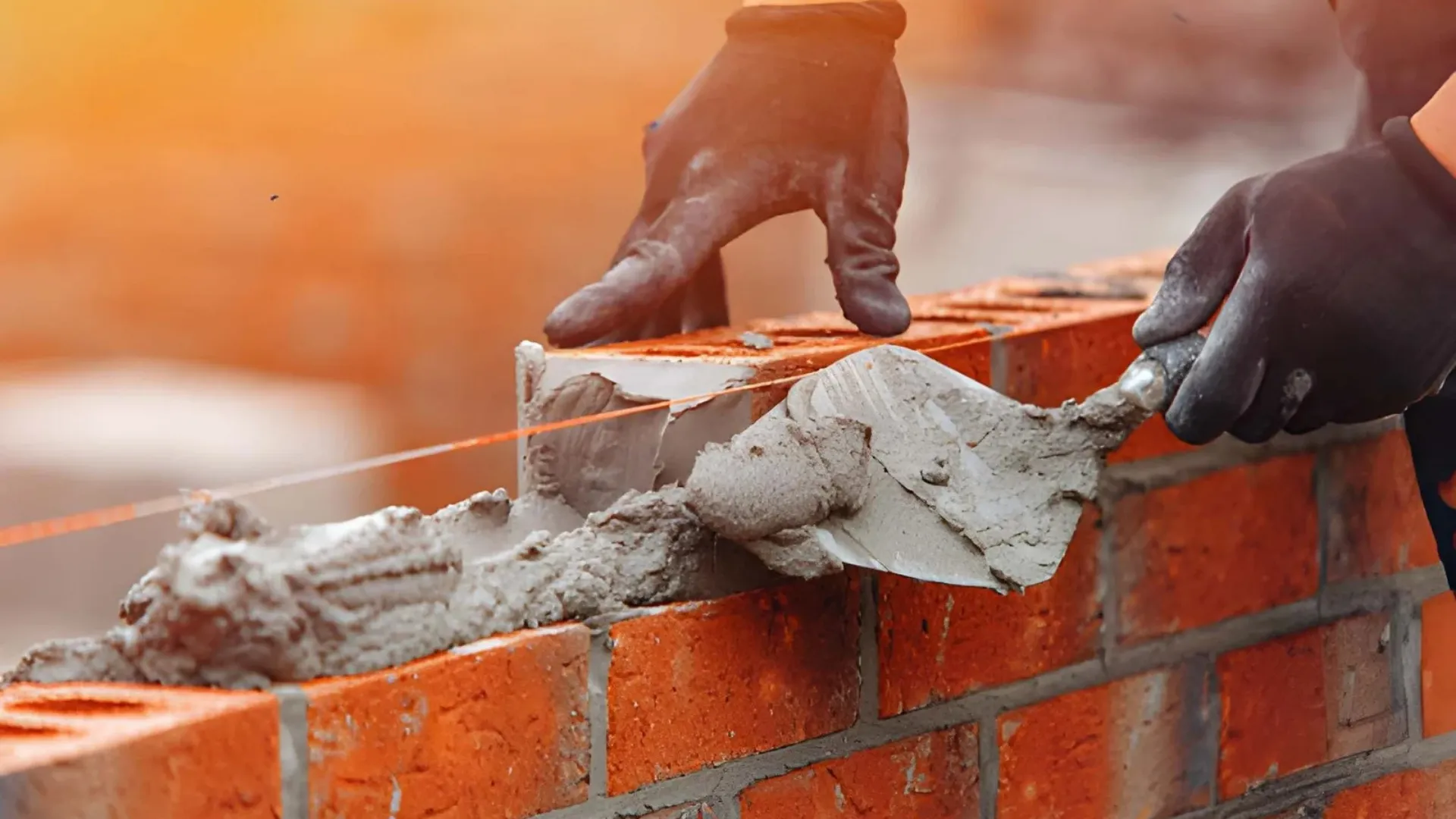
Swing-Stage and Rope Access
Suspended platforms or rope access can provide access to upper elevations. Building layout, setup requirements, permits and pedestrian protection can affect the schedule. Setup on busy Queens commercial corridors requires navigating specific physical constraints.
We regularly coordinate NYC DOT canopy permits and schedule scaffolding drops around heavy pedestrian traffic, overhead utilities, and structural clearances for MTA elevated train lines (such as the N/W over 31st St in Astoria or the 7 train over Roosevelt Ave).
Note From Our Team
Per NYC DOB Rule 103-04, a QEWI must perform physical, hands-on close-up inspections at intervals of not more than 60 feet on all walls facing public right-of-ways. Furthermore, deploying a drone in congested Queens neighborhoods requires strict compliance with the NYC NYPD Unmanned Aircraft Program permitting process, ensuring we never violate local aviation laws near LaGuardia or JFK flight paths.
How Your Queens Facade Inspection Works
Step 1: Document Review and Scheduling
We review available prior reports, drawings, and repair records, then discuss access arrangements and timing.
Step 2: Walk-Down and Close-Up Examination
A QEWI from our engineering partner network examines the building and completes the close-up work required for the property.
Step 3: Findings and Rating
The professional documents observed conditions, supporting photographs, and the building's overall classification.
SAFE: No Conditions Found
No conditions requiring repair or maintenance under the applicable classification criteria were identified.
SWARMP: Safe With a Repair and Maintenance Program
The building is currently considered safe, but identified conditions require repair or maintenance within the timeframe specified in the report.
UNSAFE: Public Protection Required
A hazardous condition requires immediate protective action. The owner must follow the QEWI's instructions for public protection and the applicable repair and reporting requirements.
Step 4: Written Report and Repair Scope
You receive documented findings and photographs. Where appropriate, a separate repair scope can help you compare contractor proposals.
What Affects Inspection Cost and Timeline
Pricing depends on the property and the access required. We provide a written quote after reviewing the building information.
What Drives the Price
- Building height and number of elevations
- Required access, including aerial surveys, suspended platforms or rope access
- Building footprint and street frontage
- Balconies, parapets and other exterior elements
- Availability of previous reports and drawings
Typical Timeline
On-site work may take several days or longer, depending on building size, access and the examination required. Report preparation adds time, while complex access arrangements can extend the schedule.
Request an estimate early rather than waiting until the filing window is nearly over. For historical context, see the Cycle 9 deadline guide. Cycle 9 deadlines should not be used to determine a current Cycle 10 filing window.
Facade Inspections Across Queens Neighborhoods
Astoria, Sunnyside and Ridgewood: Prewar Brick
Older masonry buildings may show deteriorated mortar, cracked lintels or water entry around windows.
Long Island City and Flushing: High-Rise and Curtain Wall
Some newer towers require careful assessment of sealants, exterior panels and attachment systems.
Forest Hills, Rego Park and Jackson Heights: Large Co-ops
Long elevations, balconies and complex rooflines can make parapets, balcony edges and access planning important considerations.
Jamaica, Howard Beach and Far Rockaway: Moisture and Coastal Exposure
Moisture and salt exposure can contribute to corrosion and sealant deterioration. Actual findings depend on the building's materials, maintenance and exposure.
Why Owners Choose Our Inspection Team
- Licensed Professionals: Your proposal identifies the professional responsible for the work and provides credentials for verification.
- Independent Assessment: Findings are documented separately from the decision about who completes any repairs.
- Clear Reporting: Photographs and plain-English explanations help boards and property managers understand the findings.
- Planned Access: Early discussion of equipment, site constraints and scheduling helps reduce avoidable delays.
- Verified Credentials: Our network engineers possess a minimum of 7 years of dedicated NYC facade experience, carry full Professional Liability Insurance, and hold active Qualified Exterior Wall Inspector (QEWI) status with the DOB.
- Project Evidence: Backed by over 100+ completed local projects, including extensive residential co-op stabilizations in Forest Hills and prewar restorations throughout Astoria.
Frequently Asked Questions About Queens Facade Inspections
Is a drone inspection enough for FISP in Queens?
No, it is legally impossible to file a compliance report using only a drone. The NYC Department of Buildings explicitly mandates that a Qualified Exterior Wall Inspector (QEWI) must complete a physical, hands-on drop spanning from the top of the structure to the ground level on street-facing elevations. Drones are brilliant for safely documenting structural anomalies on secondary courtyard walls or inaccessible chimneys, but they act as a supplement, not a replacement for mandatory physical scaffolding or rope drops.
How long does a facade inspection take?
It depends on the building's size, access and condition. Fieldwork may take several days or longer, followed by report preparation.
Will the inspection disrupt residents or tenants?
Most work takes place outside, but roof, balcony or other access may be needed. We coordinate arrangements with the board or property manager.
What will I receive after the inspection?
You will receive documented findings, photographs and the overall SAFE, SWARMP or UNSAFE classification, with repair priorities identified in the report.
What happens if my building is rated UNSAFE?
The QEWI must notify the owner and take the required reporting steps. The owner must promptly arrange public protection and address the hazardous conditions within the applicable deadlines.
How early should I book my inspection?
Contact a QEWI well before your assigned filing deadline. Early planning leaves more time to arrange access and respond to findings.
Schedule Your Local Law 11 Inspection in Queens
Tell us your building address, number of stories and any previous filing information you have available. We will review your request and provide a written quote for the appropriate inspection service.
Disclaimer: Inspections are performed by appropriately qualified, NYS-licensed professionals. Repair work, if required, is performed by independent contractors. Filing and repair obligations depend on the property's circumstances and applicable NYC requirements.